GPTZero Blog
All posts

How University of Louisiana is Using GPTZero for AI Detection
Learn how Louisiana’s largest university system is adopting academic integrity tools like GPTZero to gain insights into students’ AI use.


GPTZero Detects Meta’s New Llama AI with 99% Accuracy
AI detection tool GPTZero nails it with 99% accuracy when identifying AI-generated content from Meta’s Llama 3.1 language model.

How to Avoid Common AI-Generated Phrases in Your Writing
AI Writing Tip: Learn to spot AI’s most frequently-generated phrases. When you spot them, either erase them or change them around to appear distinct and personal. In order to help our users analyze word level and write differently from AI, we developed a formula for “phrase frequency” which takes into account the number of times a word appears in an AI-generated document, as well as the total number of words in a document. When comparing the top phrases that appear in human writing versus AI


GPTZero Partners with University of Virginia School of Education
Since Day 1, GPTZero has been a collaborative effort between our product and the educators who use it. In many ways, educators are the product managers of our tools, guiding their development and giving feedback on their usability in real-world settings. While we know our product inside and out, it’s the educators who have subject matter expertise in the classroom. During our time as a company, certain key educators have partnered with us on foundational pieces of the product development proc


Techniques for Achieving Natural Time Transitions in Writing
AI Writing Tip: To sound more human in your writing, travel through time. Human writing can flow naturally between past, present, and future. AI writing tends to be chronologically linear. 0:00 /1:41 1× Human writers tend to weave through different time frames, much in the same way a human mind can wander. Writers have no problem traveling between past, present, and future. By contrast, ChatGPT often struggles with fluidity. It feels better to stick

Announcing: GPTZero Docs, the Future of Transparent Writing
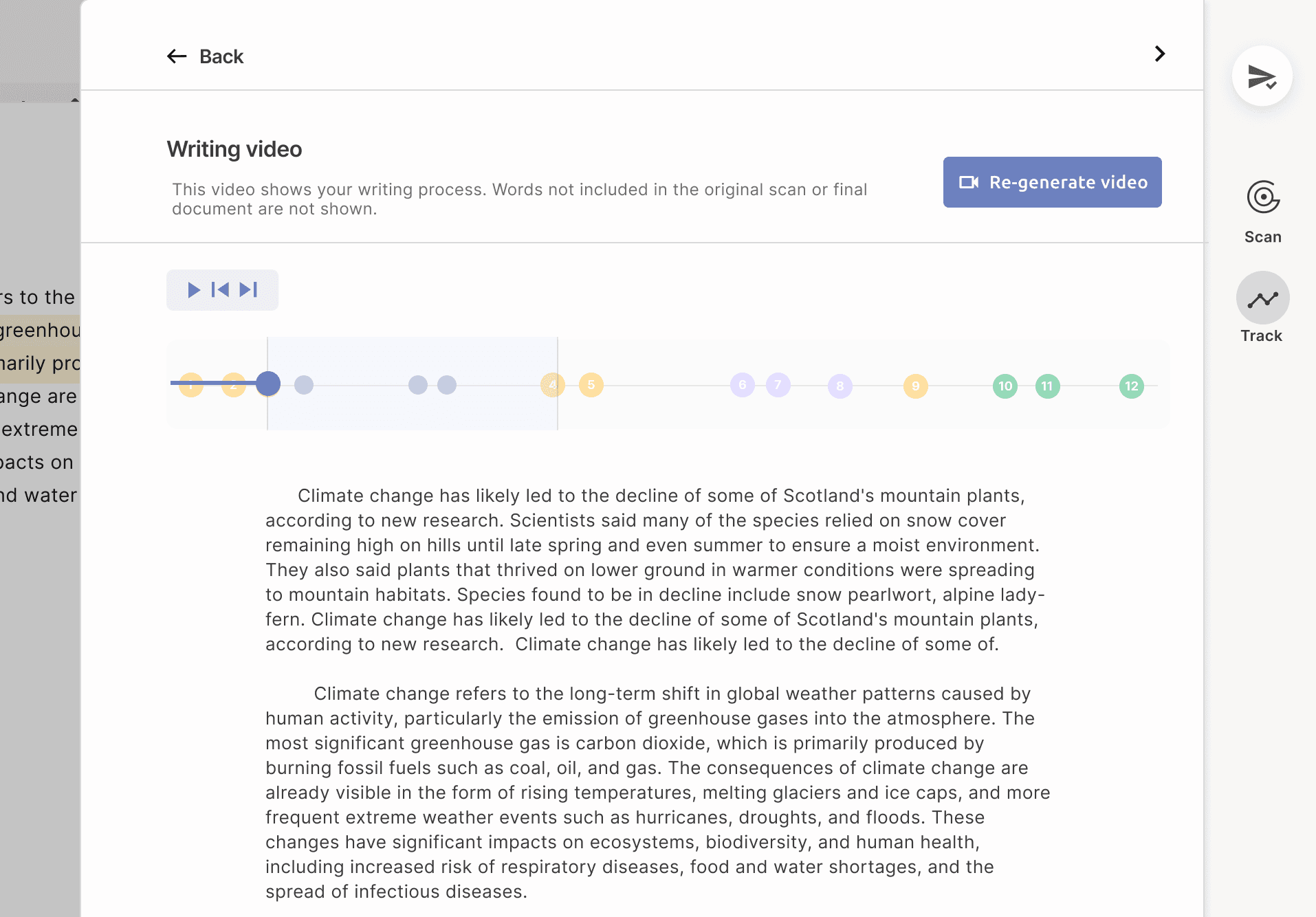
Today we’re unveiling our latest feature – GPTZero Docs. Docs integrates an advanced editor platform with embedded AI, and it is the future of transparent writing. Here’s exactly what you can expect with GPTZero Docs. Writing Replays In Docs, you can recreate the entire document creation process, from start to finish. A writing replay allows you to watch a document come to life, almost as if you're observing the writer in real time. A video replay captures the entire typing process. Words p
GPTZero at NAACL 2024: Key Takeaways and Highlights From Our Talks
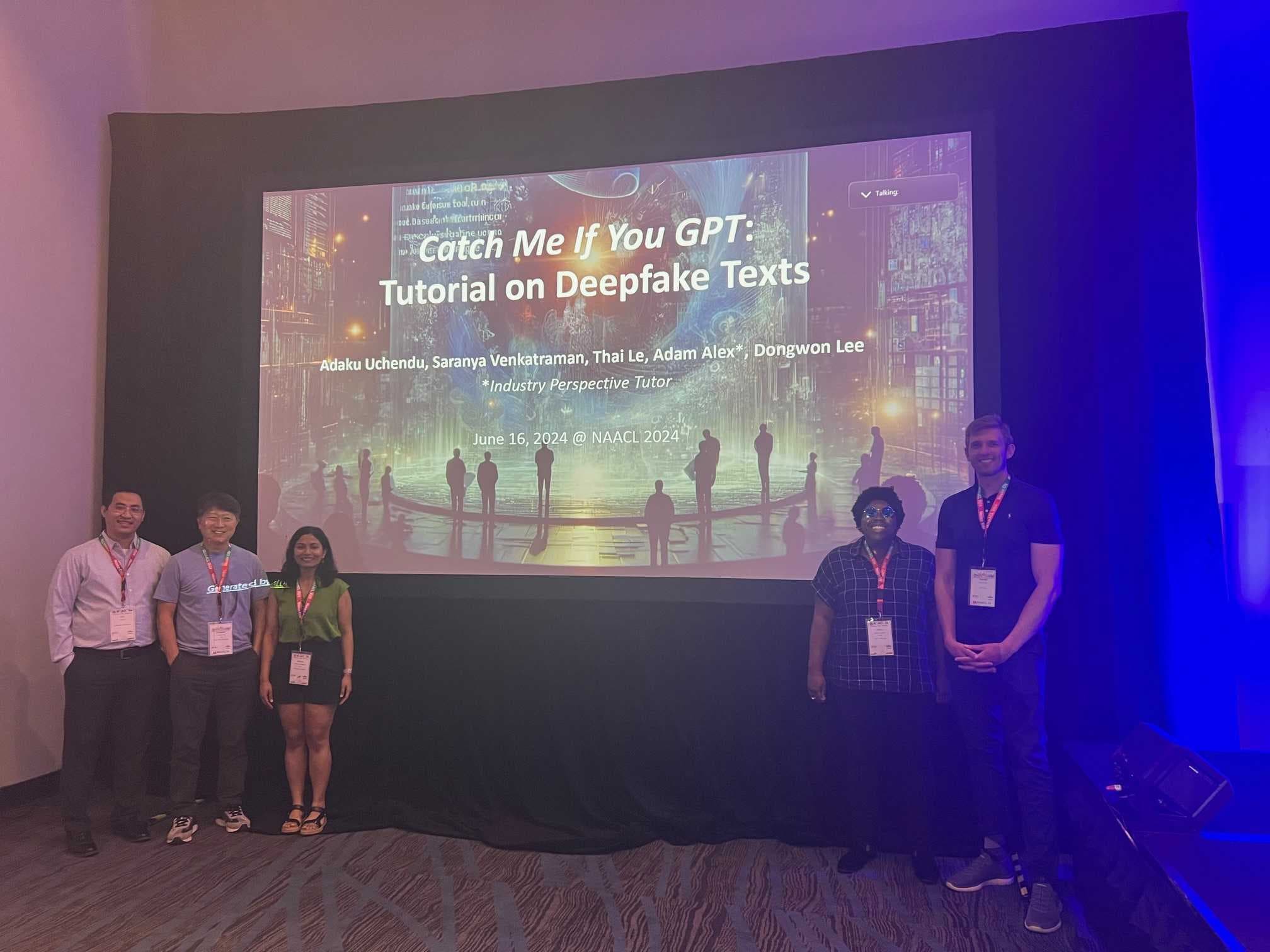
Every year, the North American Chapter of the Association for Computational Linguistics (NAACL) conference is one of the most important gatherings in the computational and scientific communities. This year’s conference covered exciting topics like large language models (LLMs) and indigenous languages, LLMs and education, robotics, and neuroscience, to name a few. Alex Adam from our ML team and our advisor Dr. Dongwon Lee spoke at the conference this year. If you missed 2024’s NAACL, here are so

Second-Hand Hallucinations: Investigating Perplexity's AI-Generated Sources
Perplexity AI, a generative AI startup building a more accurate artificial intelligence with links to sources, has cemented itself as a serious industry player with a $1 billion valuation and the backing of Jeff Bezos. Perplexity is one of several startups deploying a technique called retrieval augmented generation to resolve AI hallucinations through real-time references to sources on the Internet. In recent months, however, GPTZero has noticed an increased number of sources linked by Perplexi
Maintaining a Human-Centric Application and Selection Process in the Age of Generative AI
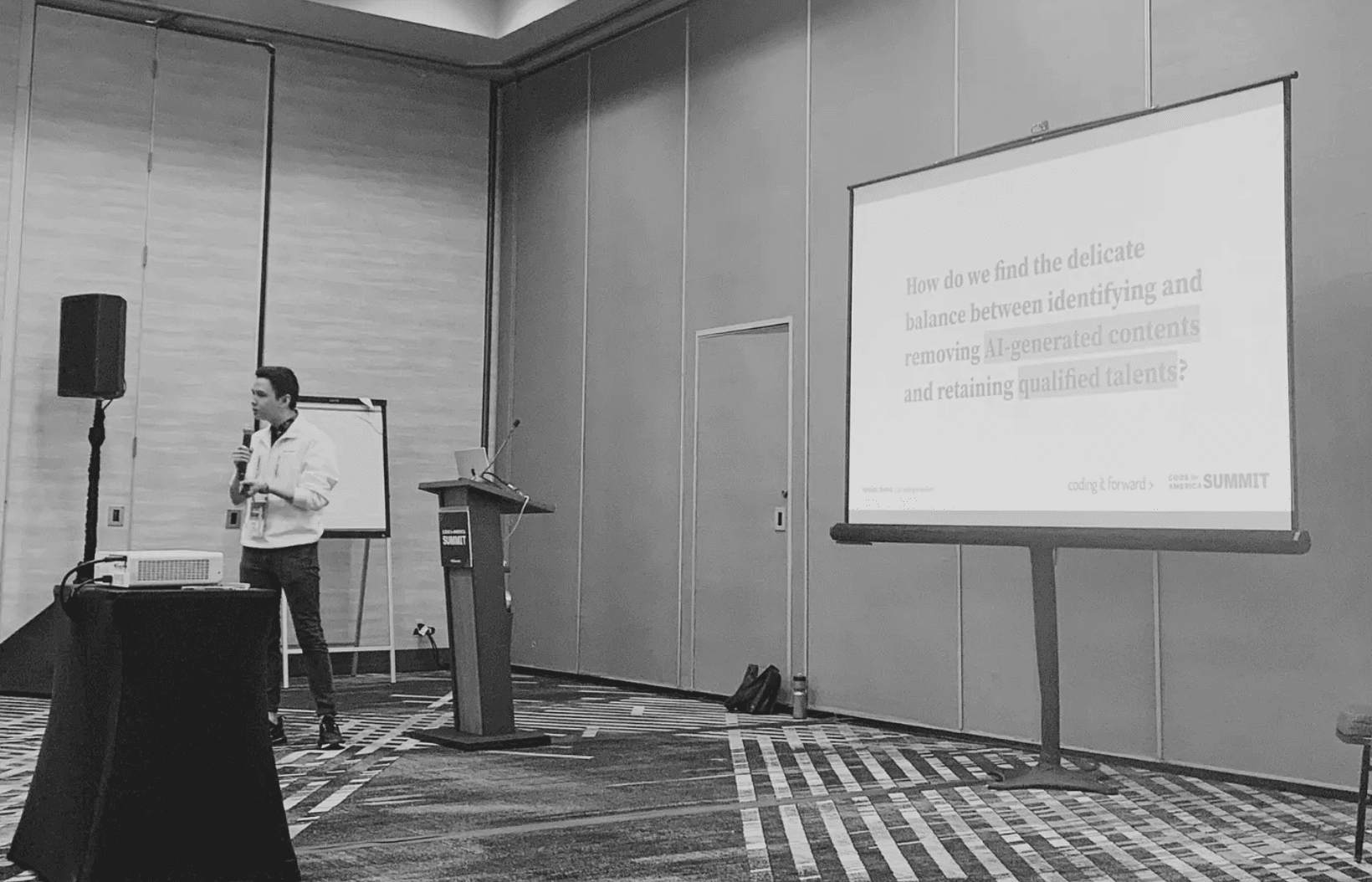
Editors Note: This post is a guest contribution from Yuyang Zhong, the program manager for Coding it Forward, first published here as a framework for using AI-generated content detection in their selective application process. With the rise of generative AI (GenAI) tools like ChatGPT, candidates applying for jobs, internships, and fellowships are increasingly turning towards AI-generated content to speed up their application process. Since the introduction of ChatGPT in late 2022, Coding it F


Shifting from Fear to Curiosity — GPTZero conversation with a Catholic School Board Director
Tom D’Amico, the Director of Education at the Ottawa Catholic School Board (OCSB), recently shared on CBC News a balanced approach OCSB is taking to integrating AI with the educational fabric. While we’ve chatted with many schools, we found D’Amico’s approach to be an especially forward-thinking one, and we were thrilled to sit down with him to discuss it. The OCSB, guided by D’Amico, takes an exploratory approach to the potential of AI, rather than a reactionary stance. D’Amico explains a phi
What to do if you detect plagiarism in your classroom?
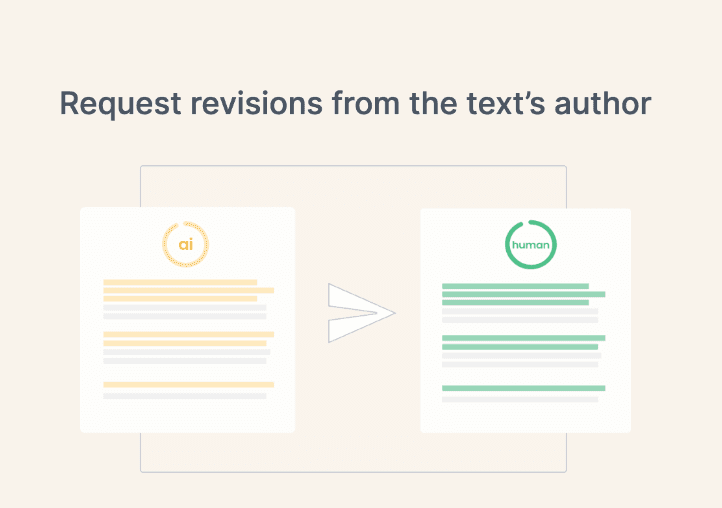
So you detected AI in your classroom… now what? A year ago everyone was asking “Is this AI?” and we were first to market to develop an AI detection tool. Now they’re asking “What do I do next?”. If you detect AI writing in a student’s work, it’s important to default to the stance of educating and raising awareness of AI’s benefits, shortcomings and hallucinations. You are here to teach, both your curriculum but also how students will move forward through the world. So in that light, start the

Why educators should adopt AI
The integration of AI is redefining traditional teaching paradigms and unlocking new possibilities for personalized learning experiences and organizations like reevolutiva are at the forefront of this transformative journey. In GPTZero’s mission of shining light on pioneering AI-powered tools, we had a chance to sit down with Giorgio La Pietra, Co-Founder of reevolutiva and member of CourseFactory Team, 100% customizable courses powered by AI. In this interview, Giorgio shares his perspectives
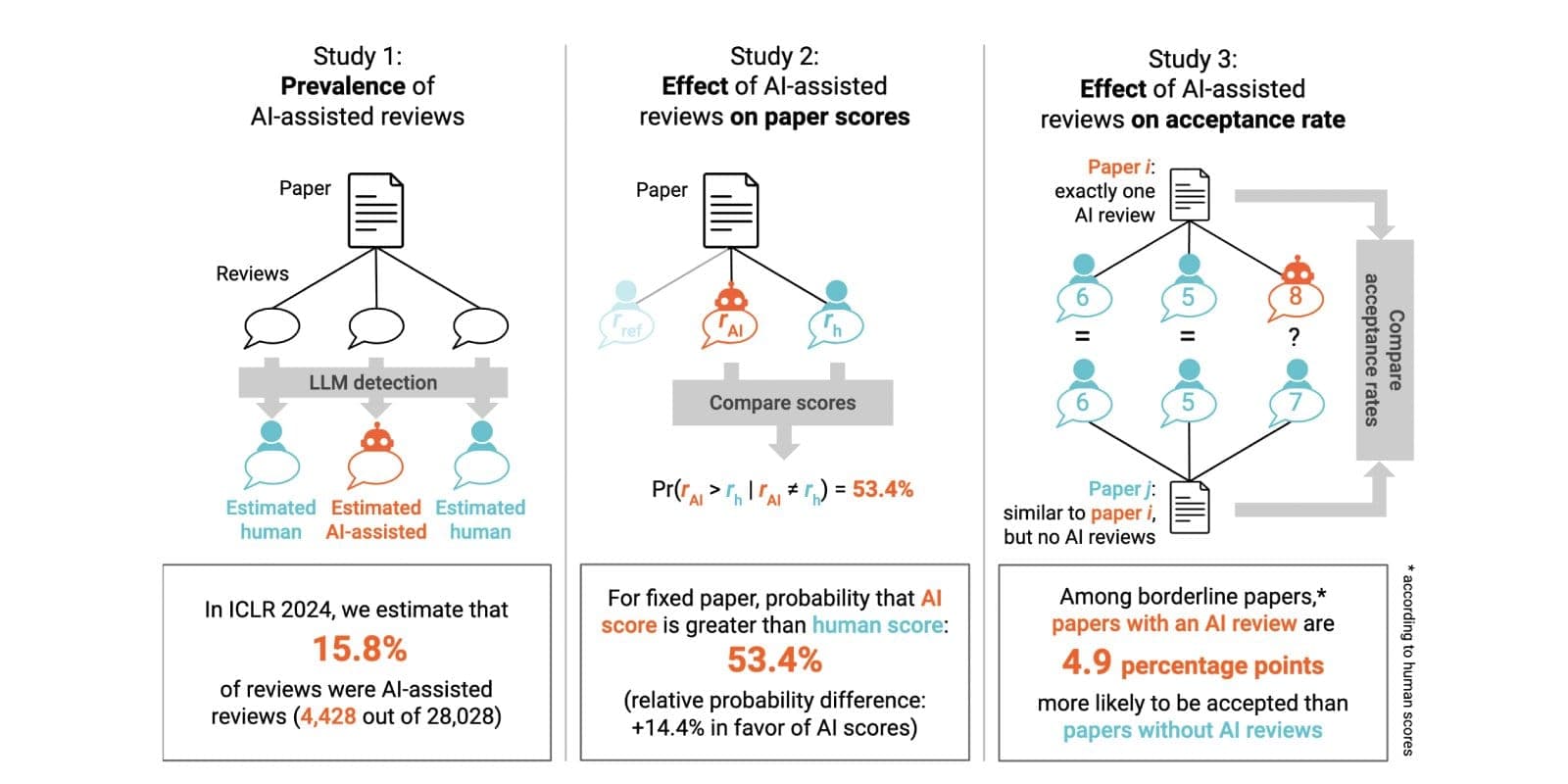
Researchers use GPTZero to investigate the impact of LLMs in peer reviews
In the ever-evolving landscape of academia, the integrity of the peer-review process stands as a pillar of scientific advancement. It’s used by journals and conferences to ensure the validity and significance of research findings and funding institutions to allocate research grants. Peer-reviewed research is prioritized by policy advisory groups, holds special status in the courtroom, and is required for researchers to progress in their academic careers. However, the rapidly growing number of

AI conversations with teachers: should AI be used in classrooms?
For today's iteration of 'AI Conversations with Teachers,' we spoke with Winston Roberts, AKA Teacher in a Suit, who’s not only an educator, but an advocate for responsible AI adoption in the classroom. After meeting GPTZero CEO, Edward, at ASU-GSV, Winston posted on LinkedIn, “I was looking forward to debating CEO Edward Tian on AI detection tools. To my surprise, GPTZero is pivoting to focus on teaching students responsible use over punishment - a refreshing approach.” We sat down with Winsto
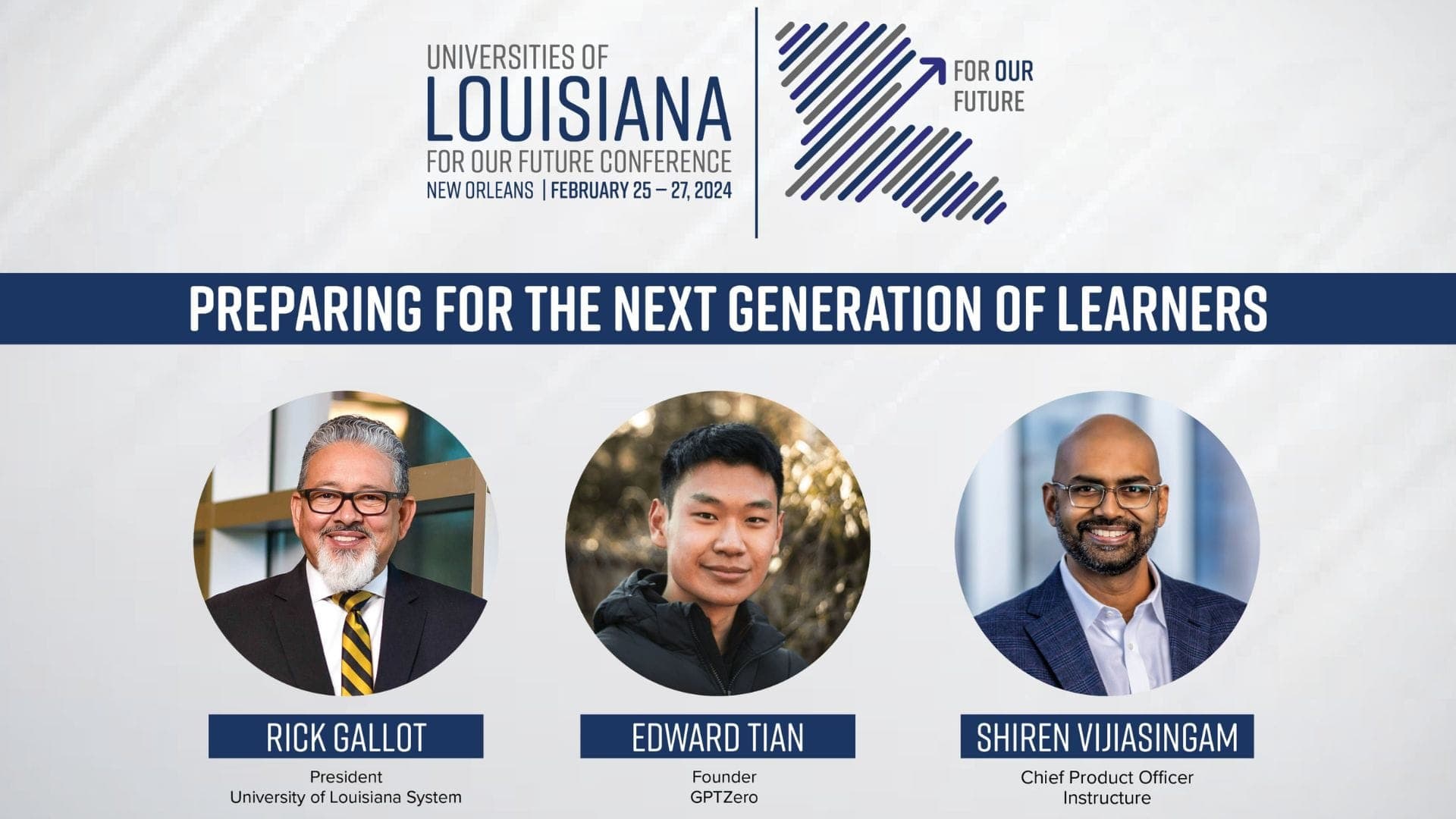
The Future of AI in education
Key takeaway: * Industry leaders from University of Louisiana System, Instructure and GPTZero meet to discuss the future of AI in education at their annual For Our Future Conference 2024 on February 25 - 27 2024 at the Marriott New Orleans Hotel GPTZero CEO, Edward Tian, was invited by University of Louisiana System President Rick Gallot to speak at their annual For Our Future Conference 2024 alongside CPO of Instructure Shiren Vijiasingam on forward thinking AI uses in education. Here’s wh