GPTZero Blog
All posts
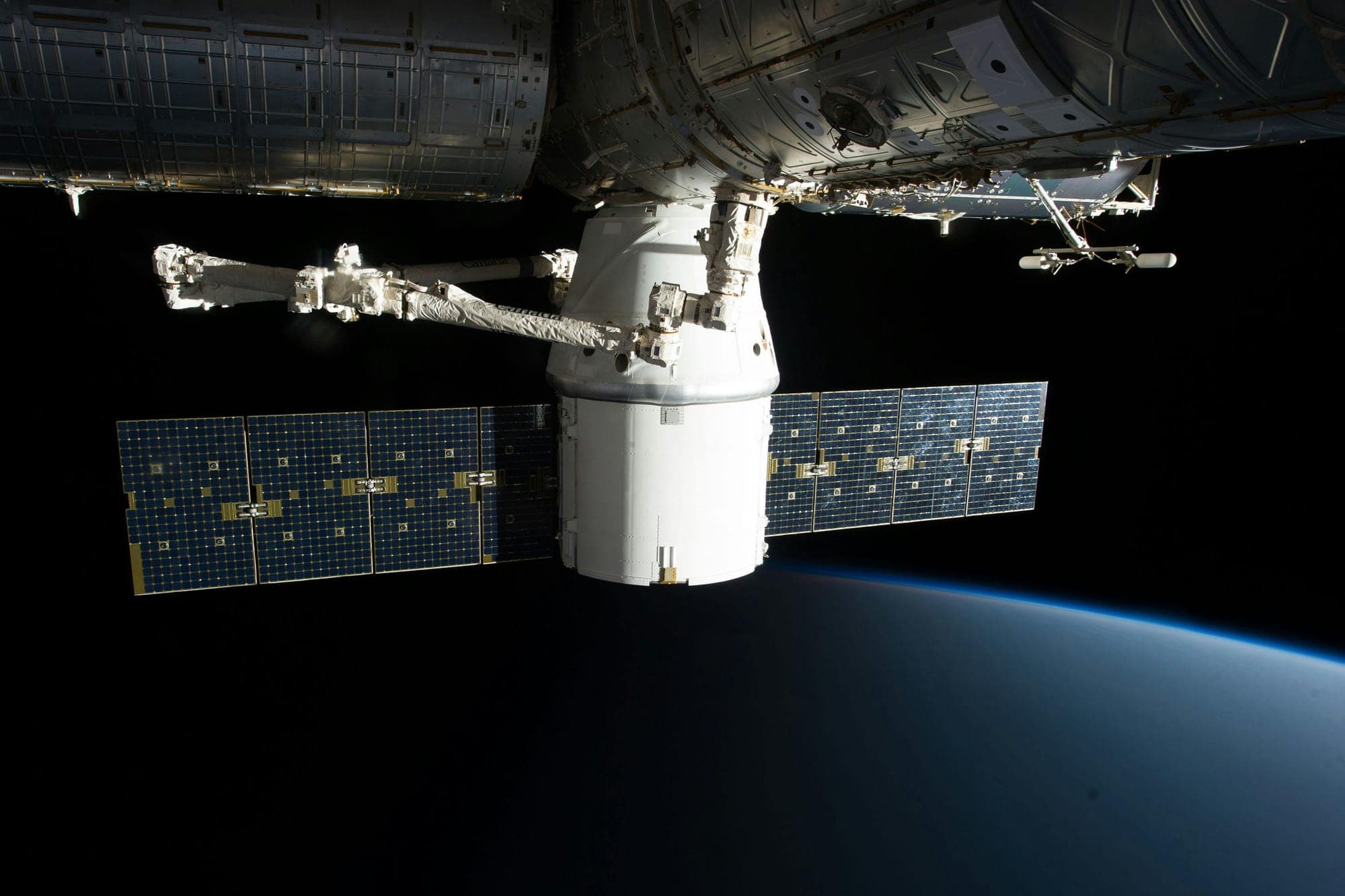
How AI is Revolutionizing Space Travel
AI, with its immense potential and rapid advancements, is undeniably transforming modern society. Businesses are integrating AI in a multitude of ways, individuals are using consumer-facing models to become more efficient in their daily lives, and creators are using it to bring their visions to life. But there is perhaps no field that is feeling this impact greater than space exploration. From improving mission efficiency and safety procedures to revolutionizing data analysis and deep space im


How to Make Your Writing Interactive and Engaging
AI Writing Tip: AI lacks the critical engagement made possible by human writing. AI won’t ask questions or challenge their audience. So, prompt reflection directly with your reader. Pose a tricky hypothetical, and implore them from the page to consider how they’d respond. Ask a question. Present a conundrum. Catalyze a deeper level of thinking. Robots were not trained to do that, but humans can. Engagement is a key component of effective writing, especially when it comes to connecting with rea

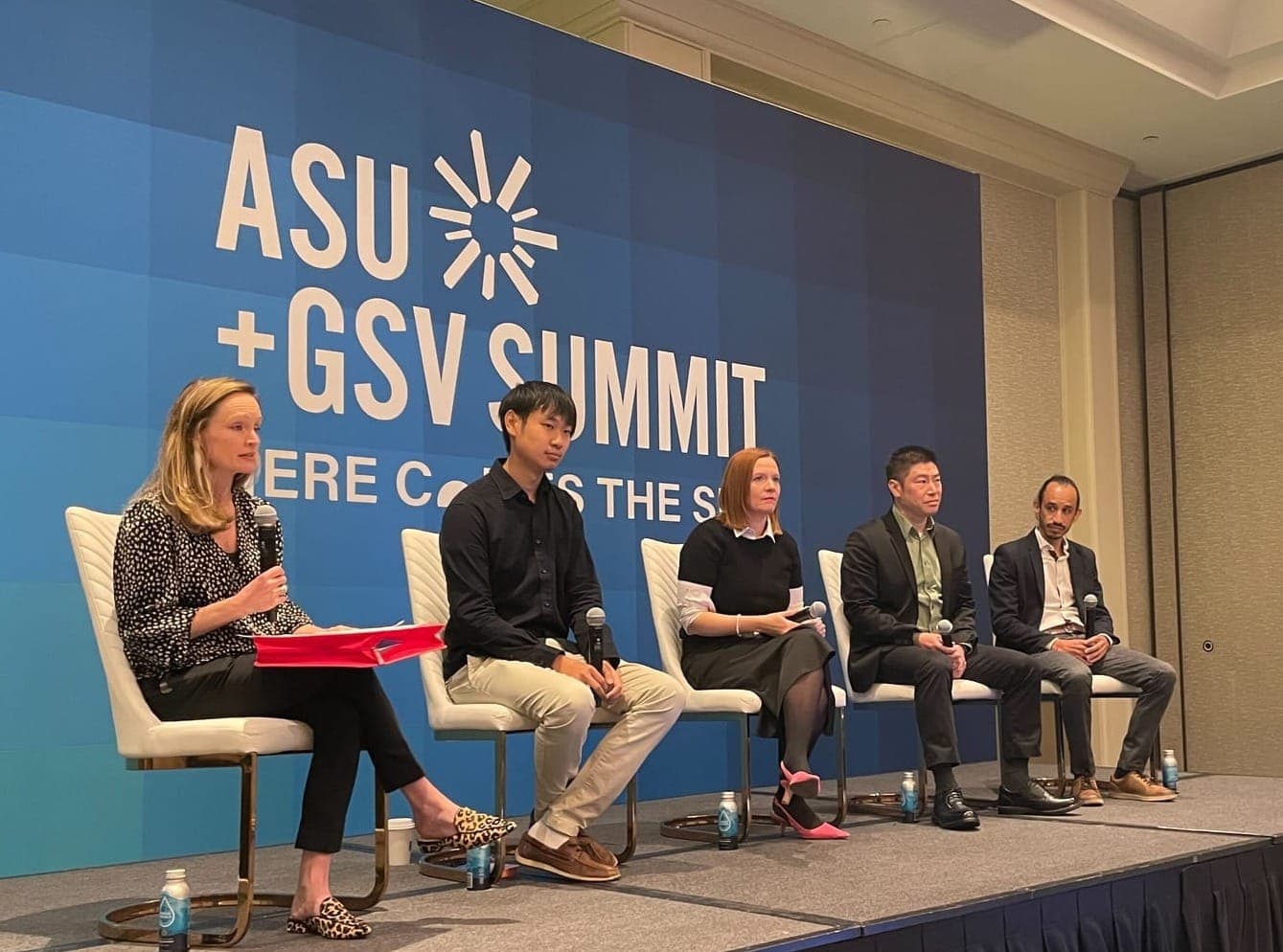
The Evolution of AI Detection — and a GPTZero and Turnitin Rematch
ASU+GSV Summit 2024 kicked off April 14-17, 2024 in San Diego to bring together thought leaders with a common goal: elevate the scope and scale of innovation in the education sector. In a packed room and much anticipated session, GPTZero CEO Edward Tian sat down with Turnitin CPO Annie Chechitelli to debate the role of AI in academic integrity, and their differing philosophies. The moment marked a year since Edward sat across Turnitin CEO Chris Caren in San Diego, which catalysed the start o

Ways to Embrace Imperfection in Your Writing
AI Writing Tip: Humans can embrace imperfection and vulnerability. AI writing doesn’t have that capability. To sound more human in your writing, be “imperfect.” Embrace a distinctive, relatable voice. After an AI is prompted, it outputs meticulously polished and perfectly organized language. That’s because AI algorithms adhere to rote grammatical norms and stylistic conventions. Perhaps with a bit of creative prompting, you can get AI to mimic a certain tone of voice or a more creative personal

Tips to Avoid Creating Static, One-Dimensional Characters
AI writing tip: In order to differentiate your writing from AI, imbue your characters with rich inner lives and allow them to grow and change in response to the events of your story. Pay special attention – not just to their exterior journey – but also their motivations, fears, and hopes, and how those evolve as the narrative does. If you’re trying your hand at fictional writing supported by AI, you’ll find yourself coming up woefully short on character construction. That’s because when AI con
Embracing Controversy to Differentiate Your Writing from AI
Writing Tip: AI writing shies away from controversy. It will never default to serving as a platform for advocacy or debate. To make your writing sound differentiated from ChatGPT, take a stance. AI writing stands out for its cautious approach, particularly when it comes to “controversial” or contentious issues. AI systems are programmed to maintain neutrality and avoid inflammatory rhetoric. While this tendency probably helps the organizations creating these AI systems to avoid legal issues

Summarizing Your Points Without Using AI-Like Phrases
Writing Tip: Steer clear of phrases like “In conclusion” when you’re wrapping up your thoughts in a paper. These phrases are hallmarks of AI writing tools, which use very obvious, formulaic transition phrases to signal the end of a thought. Instead, opt for something more nuanced or personal to summarize your points. ChatGPT tends to put a summary sentence at the end of any response, even if it's just writing a few simple sentences. For example, if you ask: “Why is the sky blue?”, it will give
Do AI models plagiarize?
In December 2023, The New York Times was the first major American media company to sue OpenAI and other AI platforms over use of copyrighted work. NYT claimed that millions of their articles were used to train chatbots, resulting in them spitting them out word for word. In its lawsuit against OpenAI, NYT provided 100 examples of GPT-4 regurgitating NYT articles: In this NYT article, they dive deeper, “Like other A.I. companies, Microsoft and OpenAI built their technology by feeding it enormou
7 steps to implementing a policy on AI use at your school
We surveyed over 100 educators on if, “Your school/educational institution has a clear, well-understood policy on AI use”. 32.1% “strongly disagreed” with the above statement, and a further 16.8% of respondents “somewhat disagreed” with the statement. A more polarized 7.6% of respondents said they have “zero policy on AI.” 9.9% were neutral on whether they have clear policies on AI use, 28.2% of respondents “somewhat agreed” with the above statement. To read the full report, download GPTZero’s
Navigating AI in the classroom
What is generative AI? In one sentence - generative AI refers to a type of artificial intelligence technology that can create new content, such as images, text, or music, without direct human input. Pros/cons of using AI Pros: In an educational context, generative AI can be utilized to develop personalized learning materials, generate interactive exercises, or even simulate tutoring sessions. Its potential benefits are vast, offering educators the ability to adapt content to individual stu
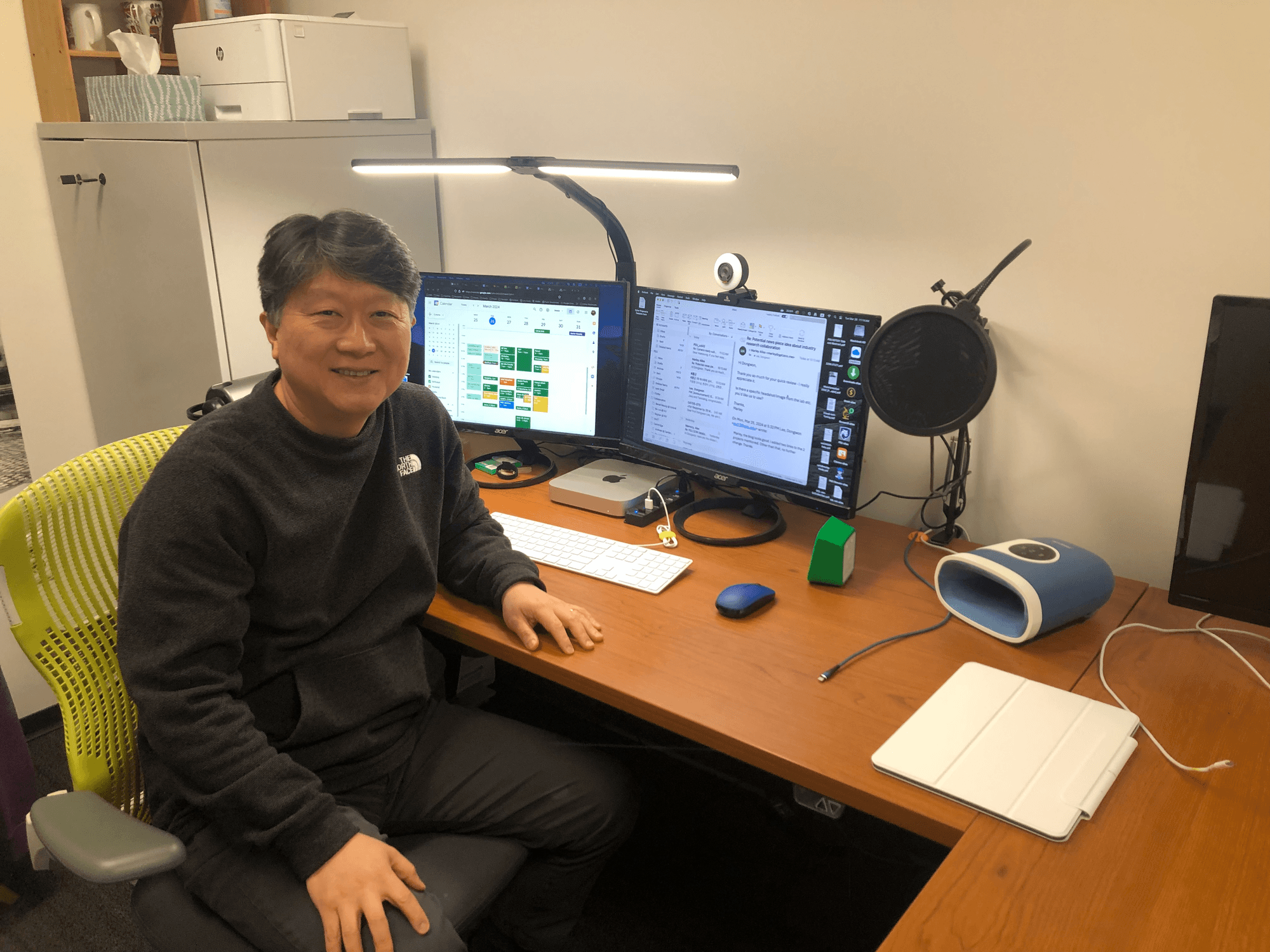
GPTZero welcomes Dr. Dongwon Lee, commits to standard benchmarks in AI detection
GPTZero is excited to announce the addition of Dr. Dongwon Lee, Professor and Director of the Ph.D. Program at the College of Information Sciences and Technology (IST) at Penn State University, as a faculty member and advisor. Dr. Lee brings with him a wealth of expertise and a distinguished record of research in the field of generative AI. Dr. Lee's decision to join GPTZero stems from a shared vision and a mutual commitment to tackling some of the most pressing challenges in the realm of gener

How to use AI detection responsibly
With AI prevalent in various aspects of our lives, from social media algorithms to plagiarism detection software, it's important to approach its usage responsibly. First and foremost, it's essential to acknowledge that AI detection is probabilistic, not absolute. Unlike traditional deterministic methods, AI detection relies on statistical models to make predictions. For instance, in plagiarism detection, AI algorithms can't provide a definitive "yes" or "no" answer but rather assign a probabil
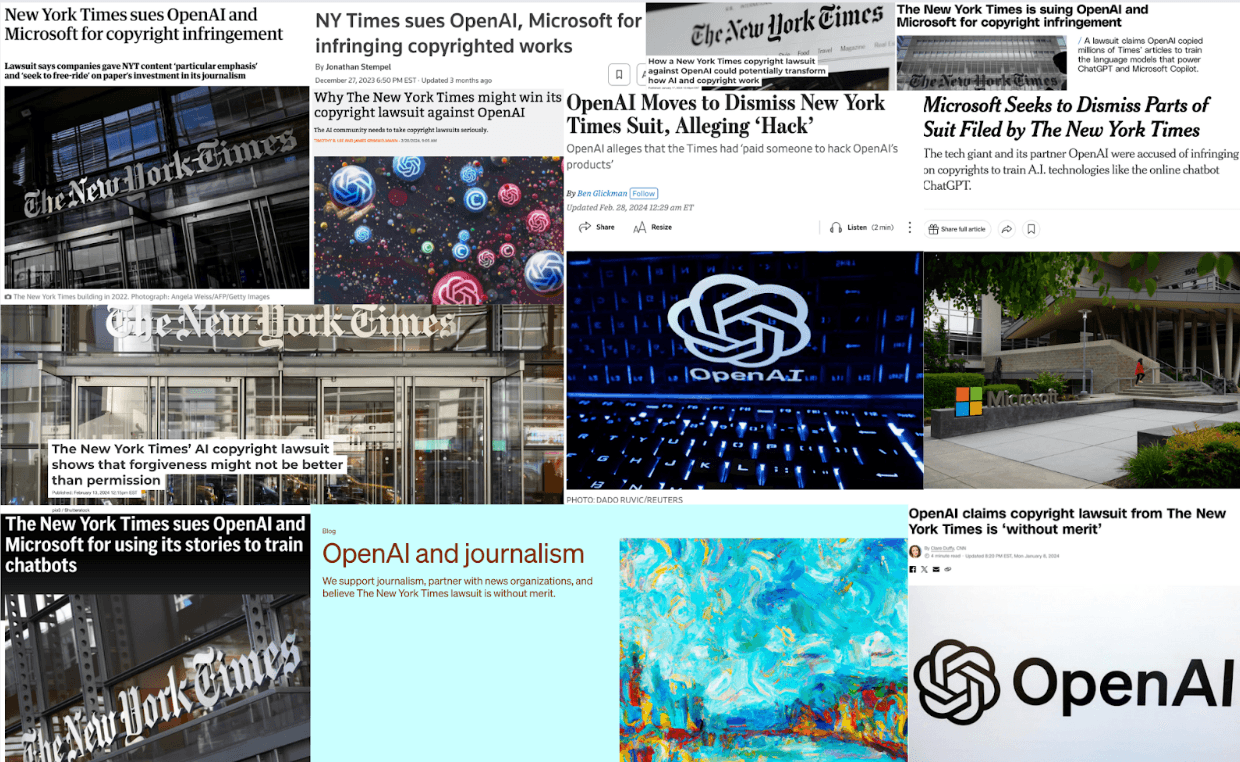
NYT sued OpenAI for copyright infringement, GPTZero develops tool to detect matches in AI training data
On December 27 2023, The Times sued OpenAI and Microsoft claiming the two companies used its articles to train AI technologies like ChatGPT. NYT claimed that millions of their articles were used to train chatbots, resulting in ChatGPT prompts regurgitating NYT articles word for word. "There is nothing 'transformative' about using The Times's content without payment to create products that substitute for The Times and steal audiences away from it," the Times said and “it’s not fair by any measur

Avoiding Unnecessary Explanations To Keep Your Writing Engaging
Writing Tip: To differentiate your writing from AI, skip the detailed explanations of everything, and save them for the subjects that require them. Thoroughness across the board is robotic; applying selective, strategic thoroughness is a valuable human skill. If asked a simple question, like "Why is the sky blue?" ChatGPT doesn't just answer with an equally short explanation. It will defer back to that listicle-style response. AI writing tools default to an in-depth, robust explanation for thi

Adding Depth to Your Writing Without Repeating Ideas
Writing Tip: If a body of writing repeats ideas and lacks a genuine progression of the thesis, it sounds like AI. Make sure your “new” ideas are actually new, and aren’t just the same idea with reordered phrasing. Insert research, opinions, quotations, and/or references to deepen your argument. Go further into the context of what you’re presenting. One characteristic of ChatGPT is its propensity for repetition. This isn’t just about using the same word too many times, although that’s certainly