GPTZero Blog
All posts

GPTZero vs Copyleaks vs Originality: AI Detector Accuracy Comparison
Being able to tell if a document has been written by AI (or not) has become more essential, while also becoming trickier, as generative AI only becomes more sophisticated. Plus, AI detection is always shifting, as what worked a few months ago might quickly have become outdated. This inevitably leads to asking: what is the most accurate AI detector? After all, what never changes is the importance of accuracy. But with so many options out there, what are the best AI detectors to choose from? In t


Adele Barlow, Emily Napier
· 8 min read
How to Avoid AI Detection As a Student
Learn how to avoid AI detection in a responsible way. Discover 10 strategies to prevent your assignments from getting flagged by AI detectors.
Adele Barlow
· 10 min read
GPTZero detects GPT-5 even better in our August update
In GPTZero's August 2025 update, we improved our GPT-5 detection rate to over 97%, adapting quickly to the latest AI models.
Emily Napier
· 1 min read
NIH vs. AI: How New Rules Are Redefining Grant Writing
NIH takes a firm stance on how AI can (and can’t) be used, joining a growing list of agencies committed to responsible AI use.
Adele Barlow
· 5 min read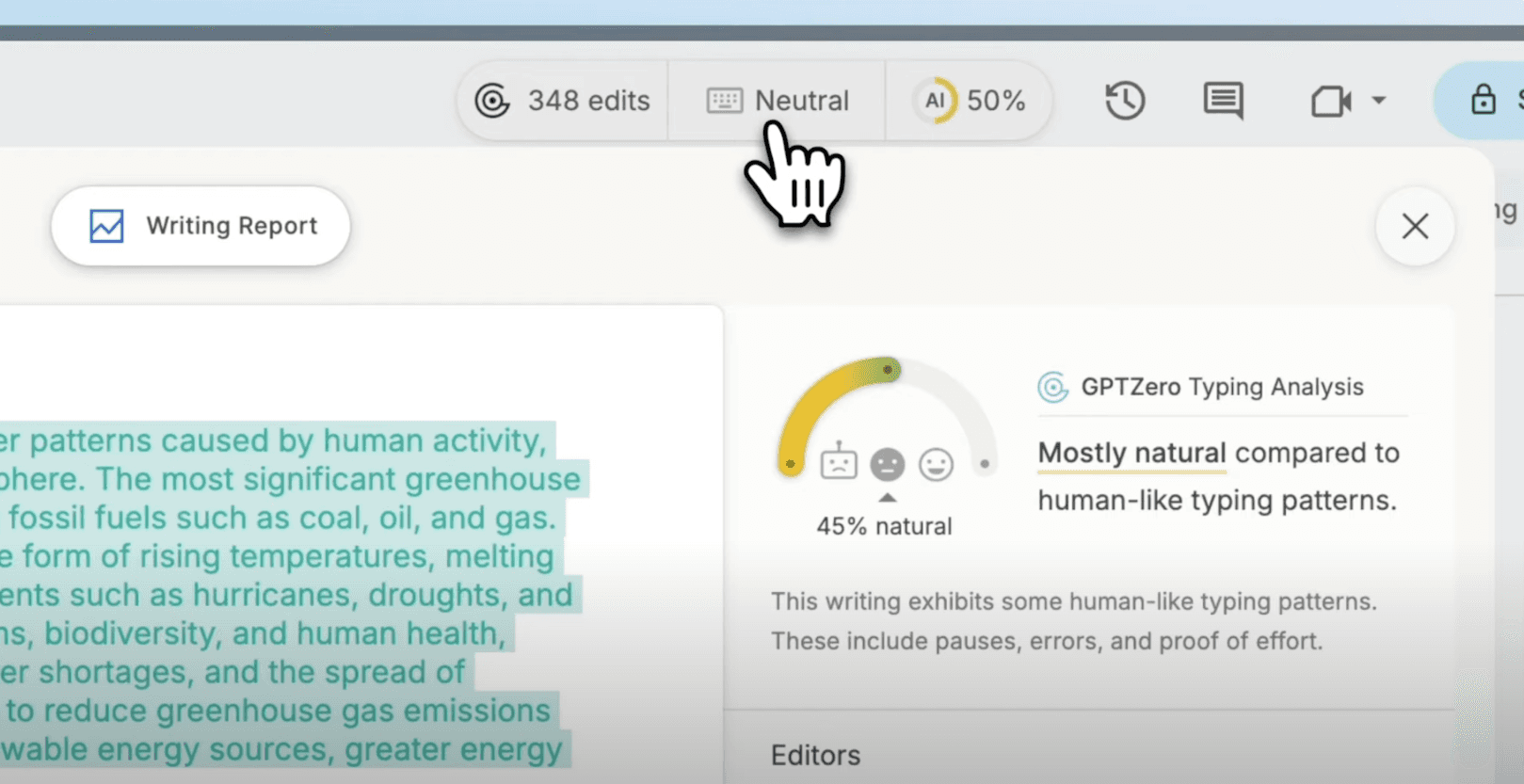
Alternatives to Draftback Chrome Extension: A Review
Need to see a replay of how a piece of writing was created? GPTZero's Writing Report is here to help.
Adele Barlow
· 2 min read
GPTZero’s Massive AI Detector Update for Summer 2025
GPTZero’s new Model 3.7b improves drastically on the latest language models from the top providers, just in time for the new 2025/2026 school year.
Emily Napier
· 3 min read
'Hallucitations': The New AI Plagiarism Problem
Check citations for accuracy with GPTZero's Bibliography Checker. AI tools can speed things up – which is part of the appeal, and also the problem. For students feeling overwhelmed with their course loads, AI tools can feel incredibly tempting to use. Why spend hours reading a dense academic text when you could ask ChatGPT to summarize it in seconds? But when we look at the bigger picture, a more complex issue emerges – one that goes beyond plagiarism and into something more foundational. Stu
Adele Barlow
· 5 min read
How Testing Our Own Writing Patterns Is Helping Us Preserve What’s Human
Earlier this month, Alex Adam, our Head of ML, asked the entire team to analyze their own native writing patterns on Google Docs. This was in collaboration with Edwin Thomas and our ML team, who is training a typing pattern algorithm for human patterns, and our Chrome Extension team, who are working on a live writing coach. It was part of our team retreat in Nova Scotia, Canada, where we had a lot of fun brainstorming and workshopping the future of GPTZero in person, all centered around our mis

Edward Tian
· 3 min read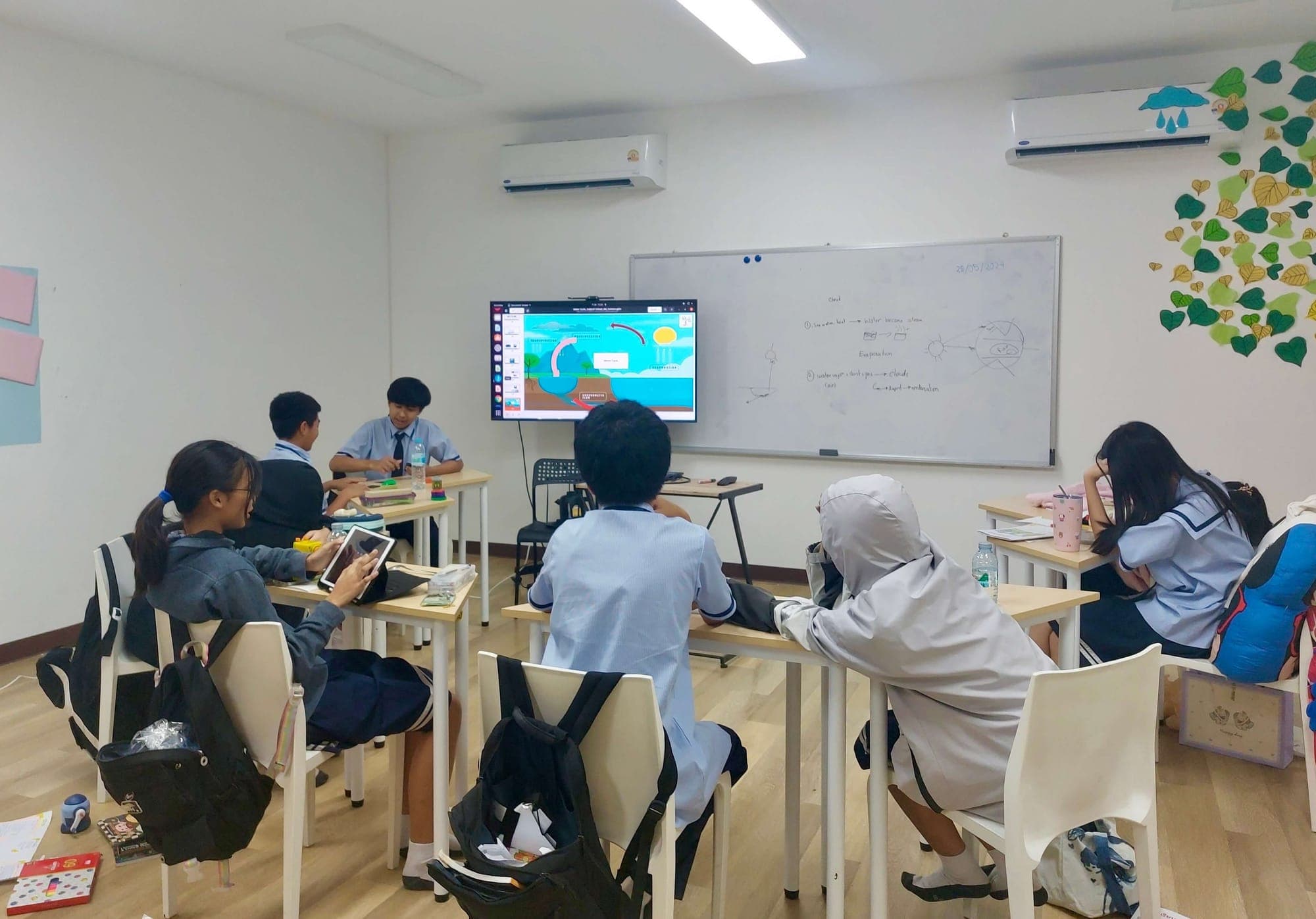
Is “Bypass Culture” Changing the Way Students Use AI?
New AI tools are changing how students complete assignments and reshaping how they think, prompting the question: What does learning mean now?
Adele Barlow
· 5 min read
Inside GPTZero’s Office Hours with Founder Edward Tian
As the final event in GPTZero’s Teaching Responsibly with AI certificate program, the latest Office Hours session was led by GPTZero founder Edward Tian. We covered the motivations behind GPTZero, the links between media and AI literacy, as well as a couple of demos of GPTZero’s latest features. Tian revealed the origins of GPTZero back to a moment in a classroom at Princeton, where he studied journalism and computer science. One of his formative experiences was taking a course with the legenda
Adele Barlow
· 6 min read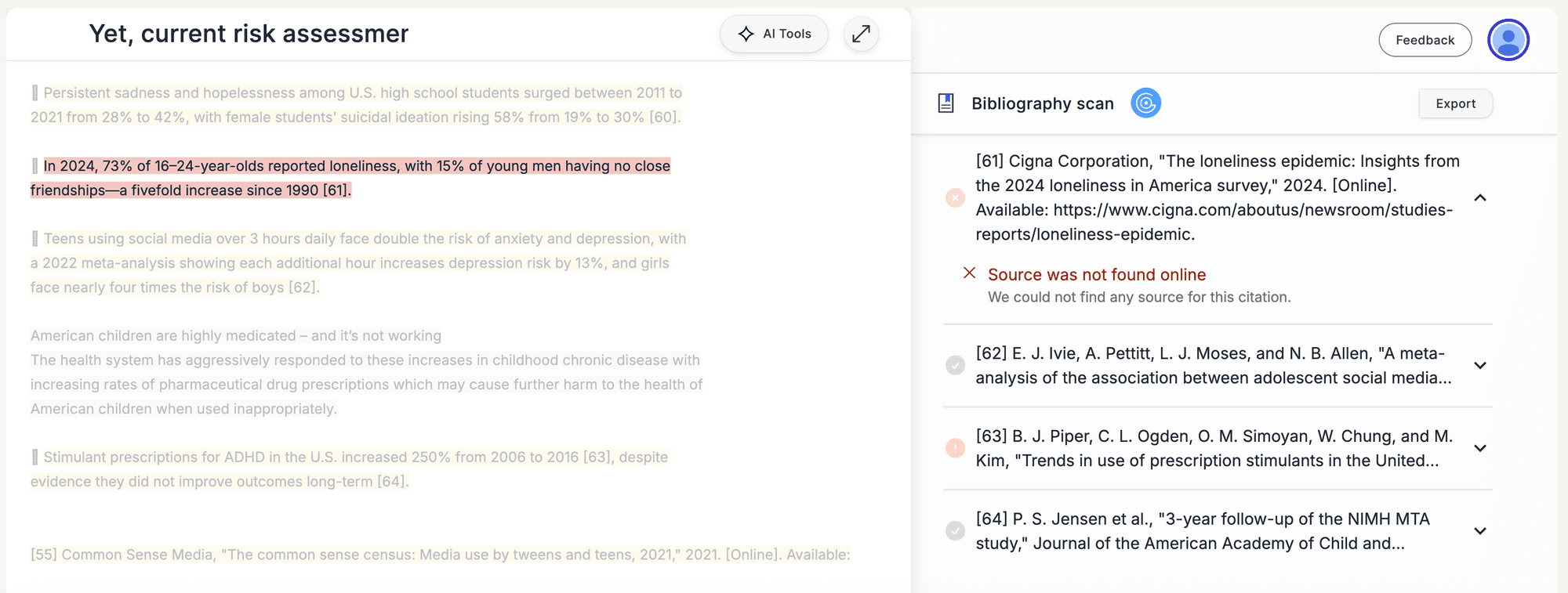
Making America Hallucinate Again? GPTZero Detects New Errors in Major Government Report
On May 22, the U.S. Presidential Commission to Make America Healthy Again (MAHA), led by health secretary Robert F. Kennedy Jr., released a major report on the causes of chronic diseases in children. Yet within a week, news outlets including NOTUS, the New York Times and Washington Post reported that some of the publication’s hundreds of footnotes appeared garbled or fabricated, suggesting they’d been generated by AI. Using GPTZero’s Bibliography Scan tool, we identified nine fabricated sources


Paul Esau, Alex Cui, Nazar Shmatko
· 11 min read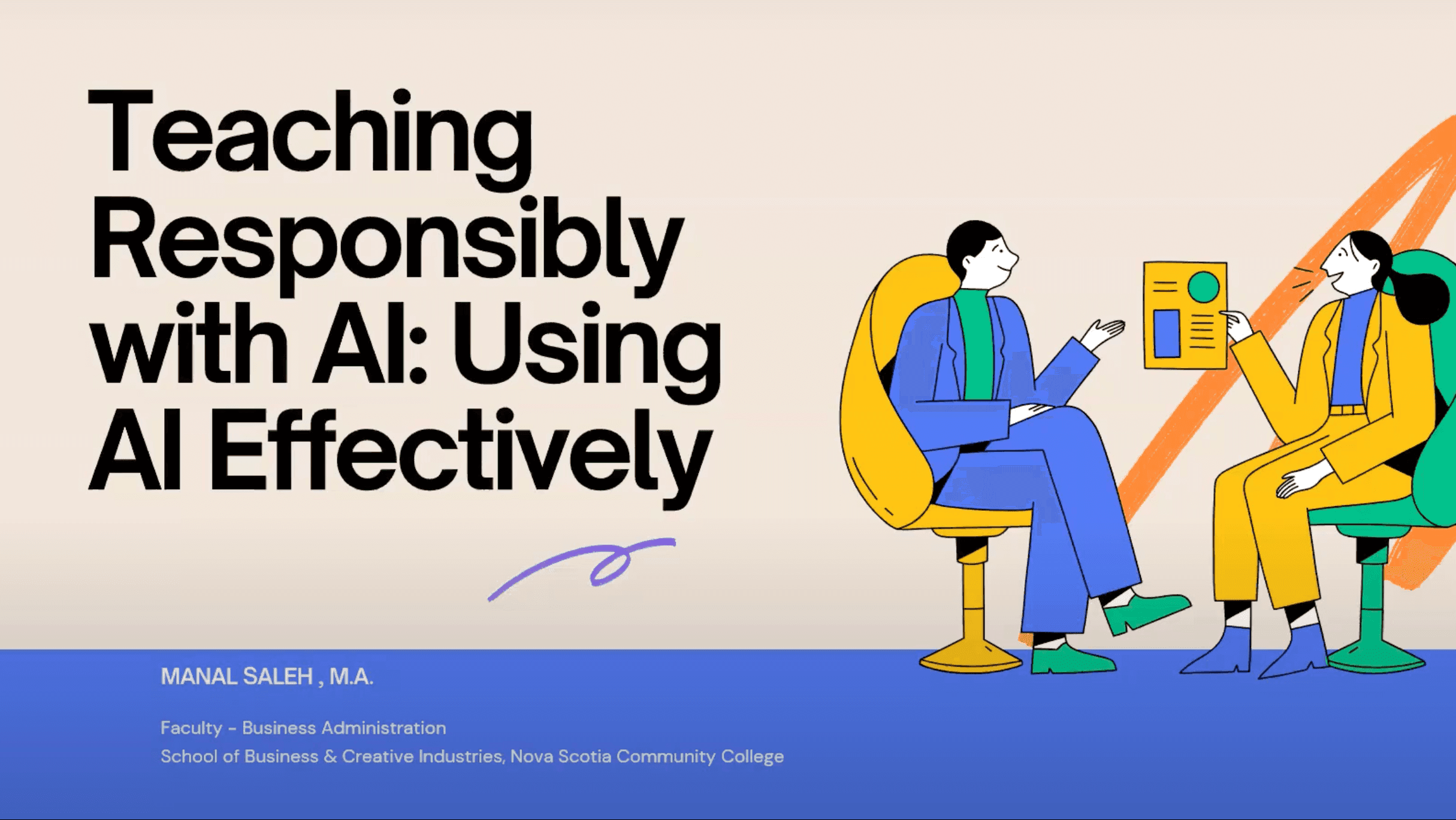
Teaching Responsibly with AI, Webinar #3: Using AI Effectively
Hundreds of educators joined us for the third webinar in our Teaching Responsibly with AI webinar series.
Adele Barlow
· 6 min read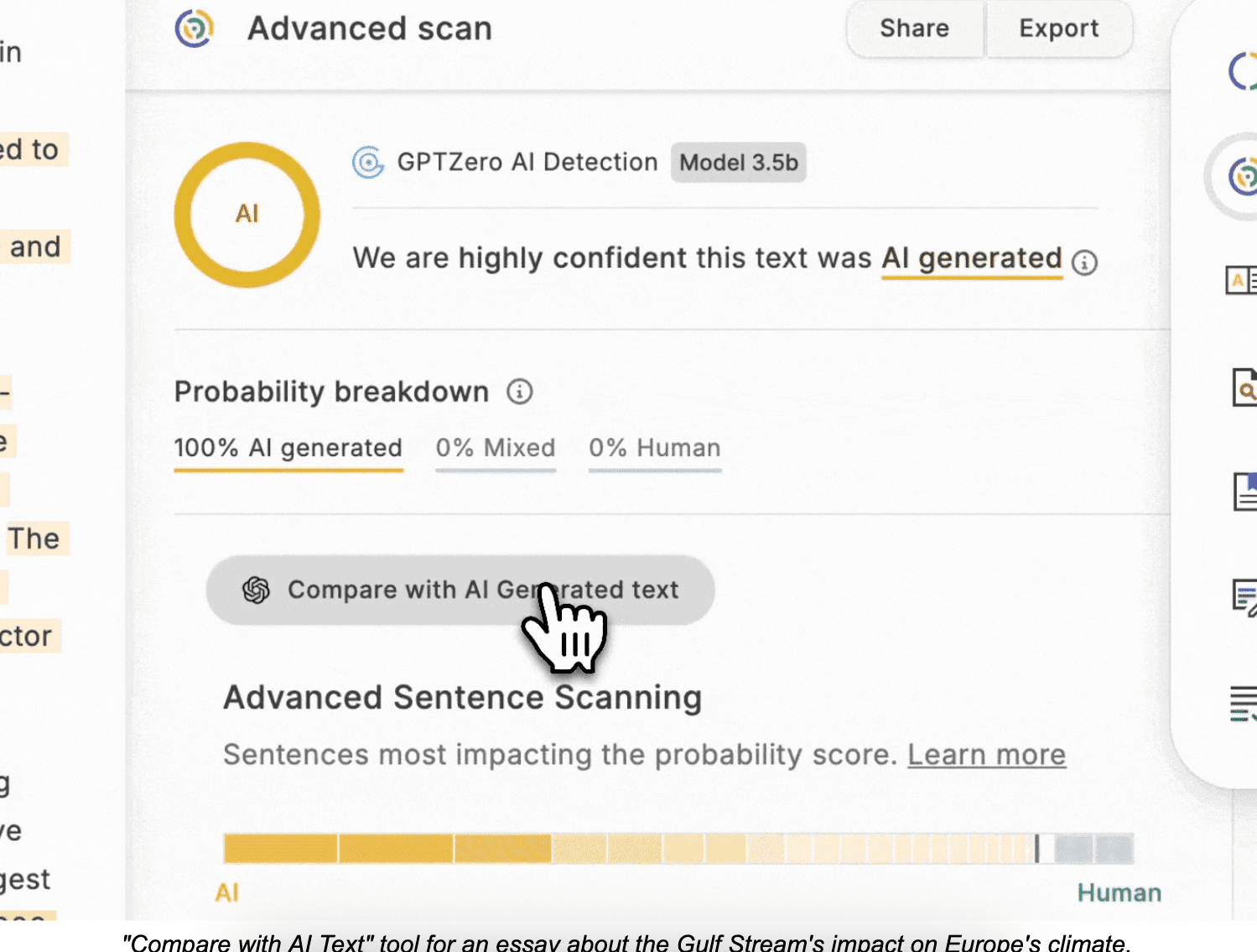
Inside Our New ‘Compare with AI Text’ Tool
We’re bringing more transparency to AI detection, with plain-language explanations that show how your text overlaps with AI writing.

Jacob Goldfarb
· 4 min read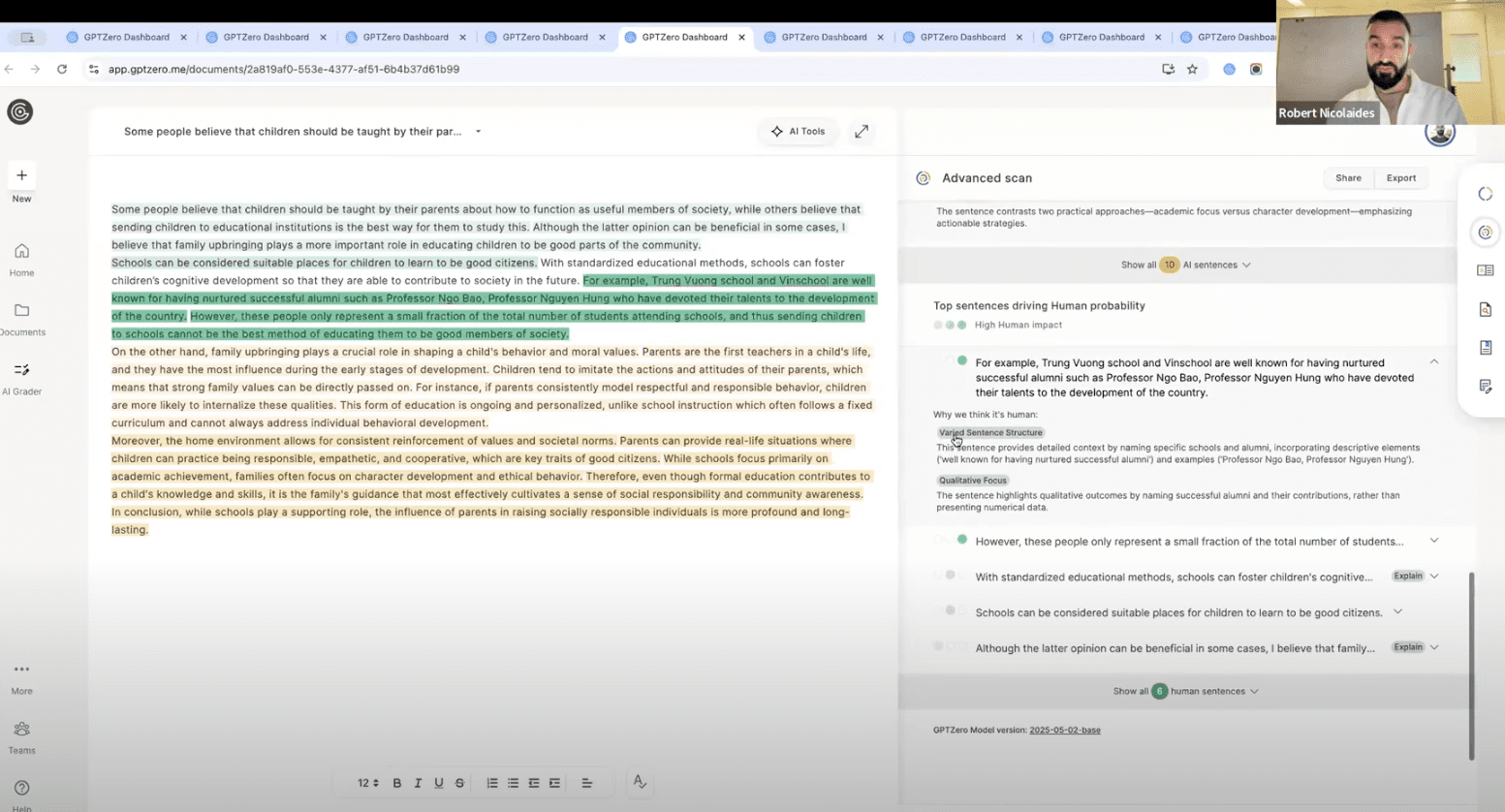
Teaching Responsibly with AI, Office Hours: GPTZero’s New AI Detection Tools
This was the second office hours in our Teaching Responsibly with AI webinar series. We sat down with Robert Nicolaides (Head of Design at GPTZero) and Joe Zakielarz (founding software engineer at GPTZero) for a closer look at the platform’s latest AI detection features, including a brand-new Bibliography Checker. The core message from the session was that educators don’t need to become AI police. Instead, the tools are evolving to give teachers better data points, clearer conversations, and st
Adele Barlow
· 7 min read
In This Professor’s Classroom, AI Is a Teaching Tool
Geri Sawicki shares her insights on making AI a deliberate part of her curriculum.
Adele Barlow
· 5 min read