Humbot.ai Review: Can It Bypass Leading AI Detectors?
Humbot.ai claims its AI humanizer can bypass GPTZero, Originality AI, and ZeroGPT. This Humbot AI review tests that claim against five major AI detectors.

Researchers from UMass Amherst and Google, publishing at NeurIPS 2023, found that paraphrasing can gut certain AI detectors' accuracy.
For example, in the study, one AI detector, DetectGPT, dropped from 70.3% accuracy to just 4.6% after the text was paraphrased. Even watermarking-based detection fell from a 100% detection rate to 57.2%.
Multiple AI humanizer tools are now available online for the sole purpose of bypassing AI detectors. But are AI humanizers actually that effective? To find out, I have been testing AI humanizers one at a time.
This time, I’m reviewing Humbot.ai, which claims a dramatically high bypass rate against GPTZero, Originality AI, and ZeroGPT.
In this review, I’ll humanize AI-generated text with Humbot and check it with 5 major AI detectors to test its claim.
Here’s a short intro to Humbot AI before the review begins.
What is Humbot.ai?
Humbot.ai was simply an AI text humanizer until recently, when it expanded its toolkit to include a dozen AI-powered tools. Now it calls itself an AI study assistant.
Of these, the AI humanizer, AI detector, plagiarism checker, and grammar checker are writing tools. The rest of the tools are study-centered, such as the AI math solver, quiz generator, ChatPDF, homework helper, etc.
The AI humanizer is Humbot's flagship feature.
The tool currently uses the Humanizer 2.0 model that Humbot claims has a high bypass rate against leading AI detectors, including GPTZero, Originality AI, and ZeroGPT.
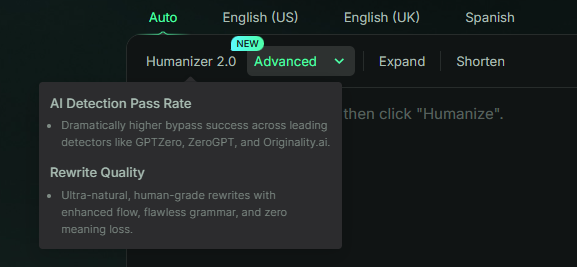
The humanizer also offers three rewriting modes:
- Quick: Makes quick adjustments to the text only.
- Enhanced: Performs deeper rewriting for higher bypass success.
- Advanced: Makes comprehensive changes for the best text quality and bypass rate without losing meaning.
If you want the tool to also expand or shorten the text while humanizing it, you can specify that too.
In the free trial, you can only humanize 100 words at a time. You can either copy/paste the text in the given field or upload a file with the target text.
Humbot provides the humanized text and also claims to check it for AI detection with its own AI checker, along with GPTZero, Crossplag, Sapling, Writer, Originality, and ZeroGPT.
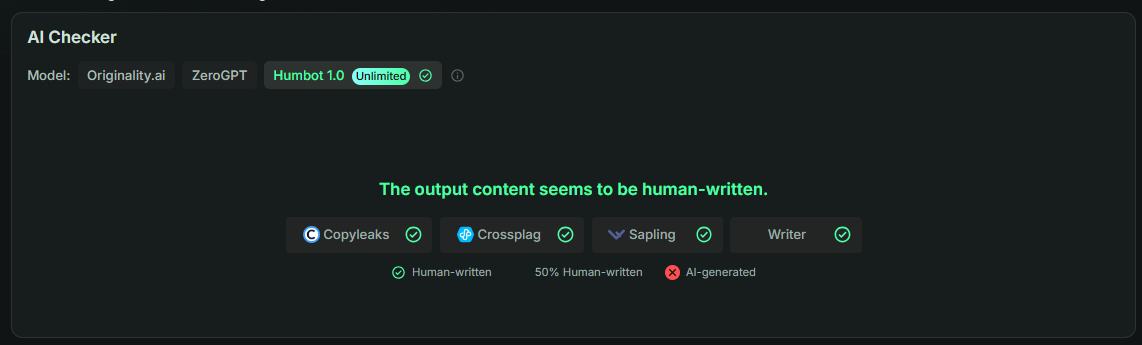
Here’s how I tested Humbot AI humanizer against the AI detectors it claims to bypass.
How I Tested Humbot AI Humanizer
To test an AI humanizer, you first generate some text with ChatGPT, Claude, or any other AI writing tool and then get its AI score from major AI detectors.
Then you humanize it with the target AI humanizer and recheck it for AI using the same AI detectors to see if the AI score has dropped, and if so, by how much.
Since I could humanize 100 words at a time on the free Humbot plan, I asked ChatGPT to generate 100 words on a random topic. I’ll refer to this as ChatGPT sample 1 in this review.
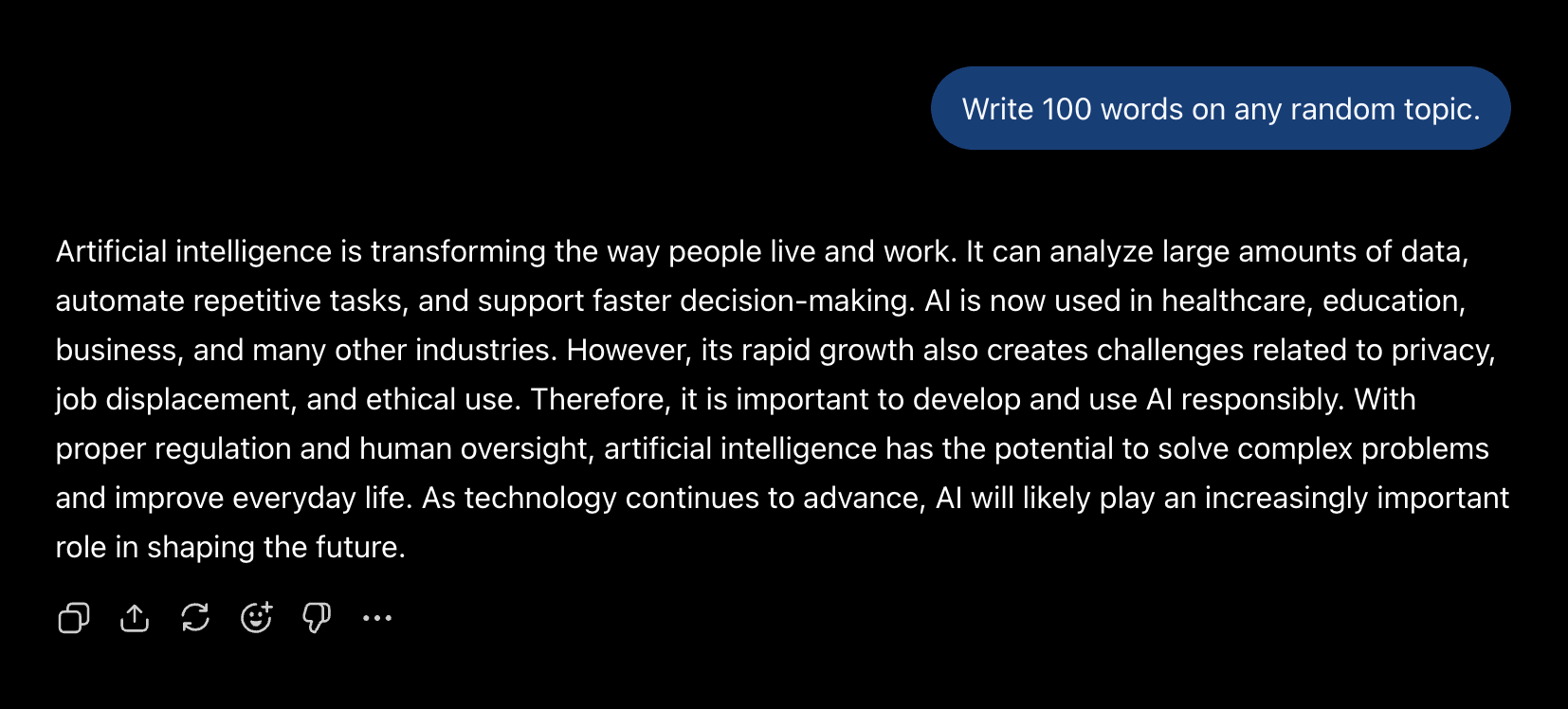
Humbot itself states in an answer to an FAQ that their humanizer produces the same quality of output whether you’re on a free plan or paid.

Humbot rewrote this text into 410 words, which is enough for most AI detectors to perform accurately. I’ll call this humanized sample 1 in this review.
Humbot also checked the humanized text for AI and reported that it seems human-written. It also declared the text as human-written on behalf of Copyleaks, Crossplag, Sapling, and Writer.
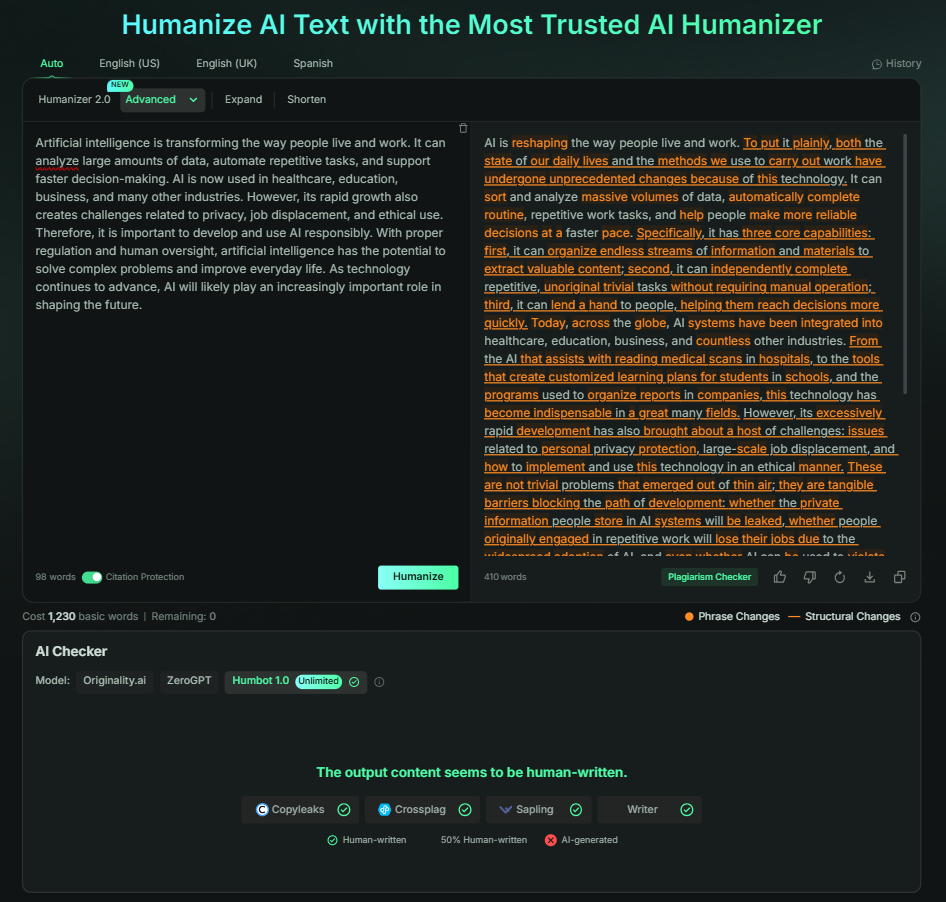
When I manually ran the humanized text through these AI detectors, their verdict was quite the opposite.
But I was not satisfied with just the 100-word input limit of the Humbot AI free plan. So I bought the basic paid plan of Humbot AI, which increases the input limit to 500. I then asked ChatGPT to write me 300 words on global warming. I’ll refer to this as ChatGPT sample 2 in this review.
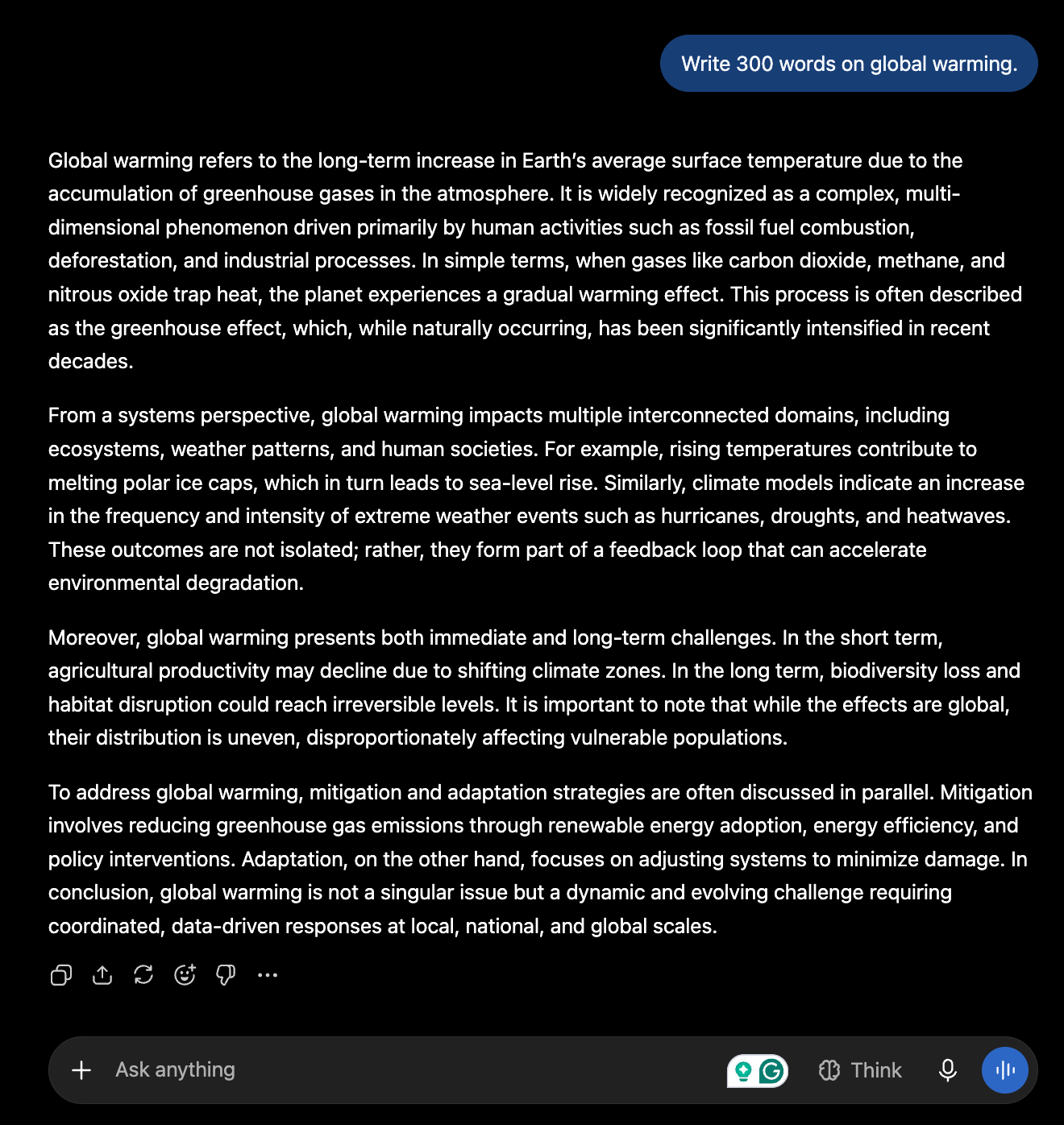
When I humanized this longer text using Humbot AI and tried to bypass five AI detectors, the results were very interesting. I’ll call this humanized text humanized sample 2 throughout this review.
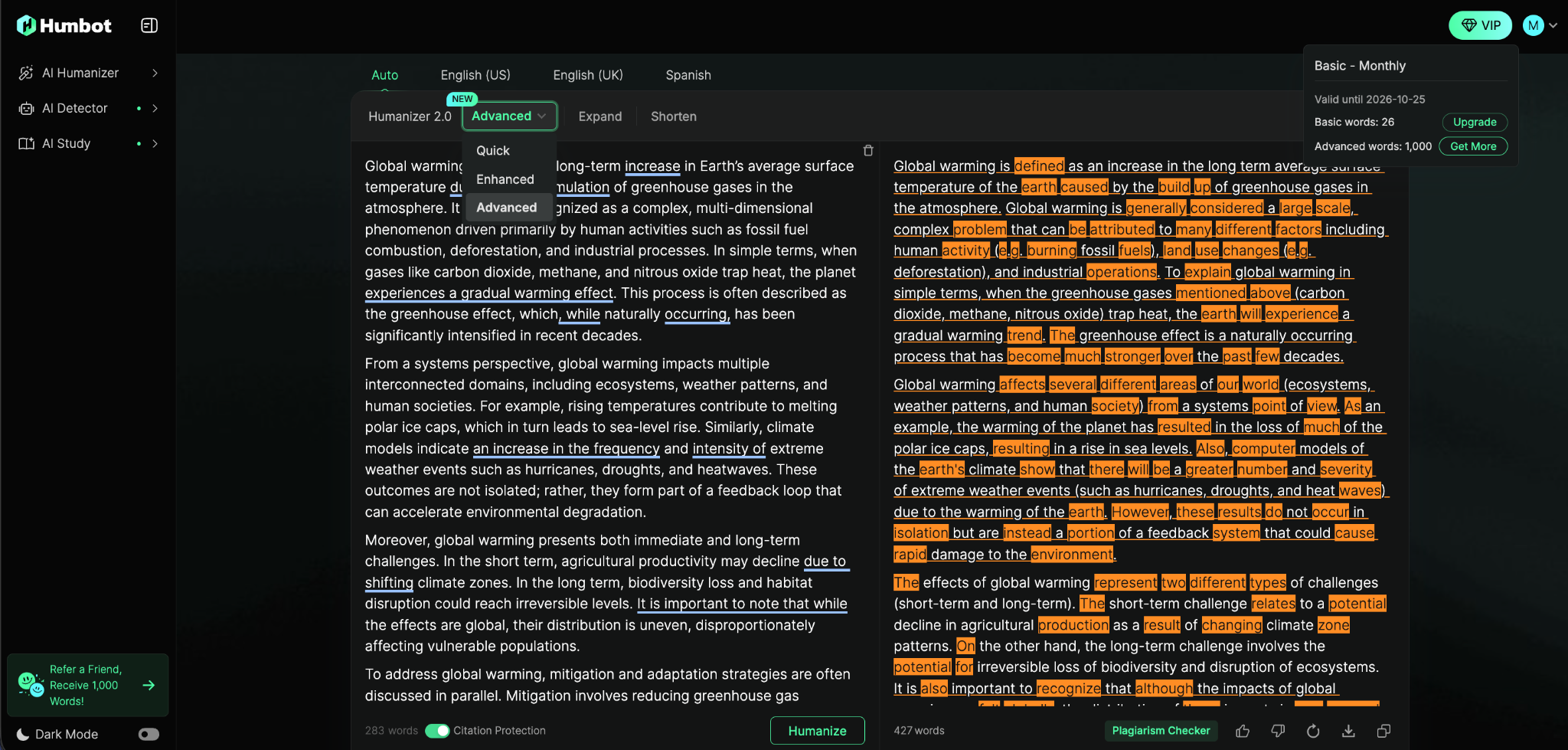
Results: Can Humbot AI Humanizer Bypass Popular AI Detectors?
As I said, I’ll run the original text and its humanized version through the same AI detectors to see if the humanized version can bypass these tools.
So I ran both texts through all five detectors (AI text humanized using Humbot's free plan: humanized sample 1 and text humanized using Humbot AI's paid plan: humanized sample 2).
The humanized sample 1 couldn't bypass 4 out of 5 AI detectors, except ZeroGPT, where it scored 63.2% human (36.8% AI).
Here’s a summary of how Humbot AI performed across the AI detectors (when using the free plan):
But when I generated humanized text using Humbot AI's paid plan (humanized sample 2), only GPTZero and Sapling AI Detector accurately detected the text as AI.
Note: Two samples differ in more than the plan used. Sample 1 was a 97-word input on AI, while sample 2 was a 278-word input on global warming. With only one sample each, the longer input may explain Humbot's better results as much as the paid plan does. GPTZero, however, flagged both as 100% AI regardless.
Read further for the longer answer with before and after screenshots.
1. GPTZero
In the description of its humanizer model, Humbot claims that the model has a dramatically higher bypass rate against GPTZero and two other AI detectors.
But could it prove that?
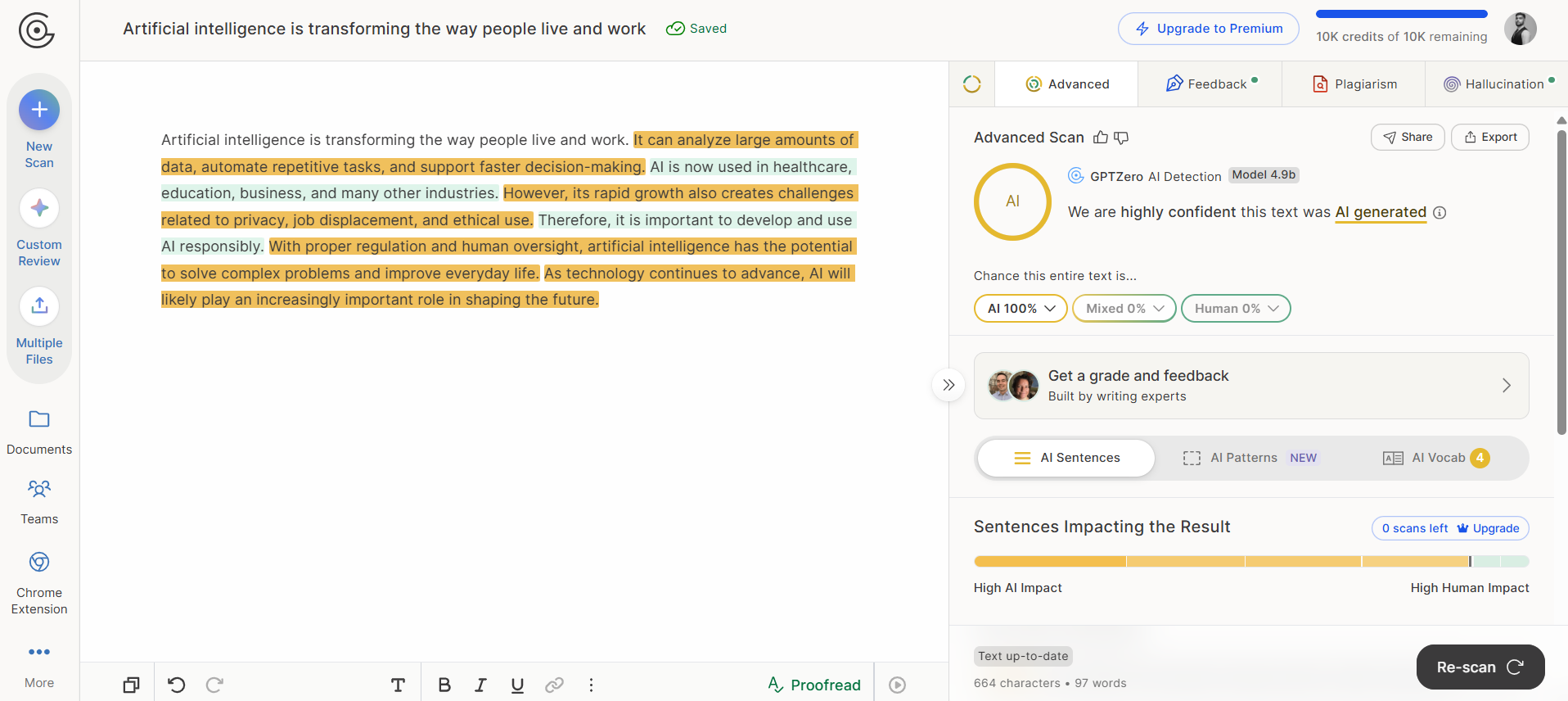
To find out, I first checked ChatGPT sample 1 (100 words) with GPTZero and received a 100% AI verdict.
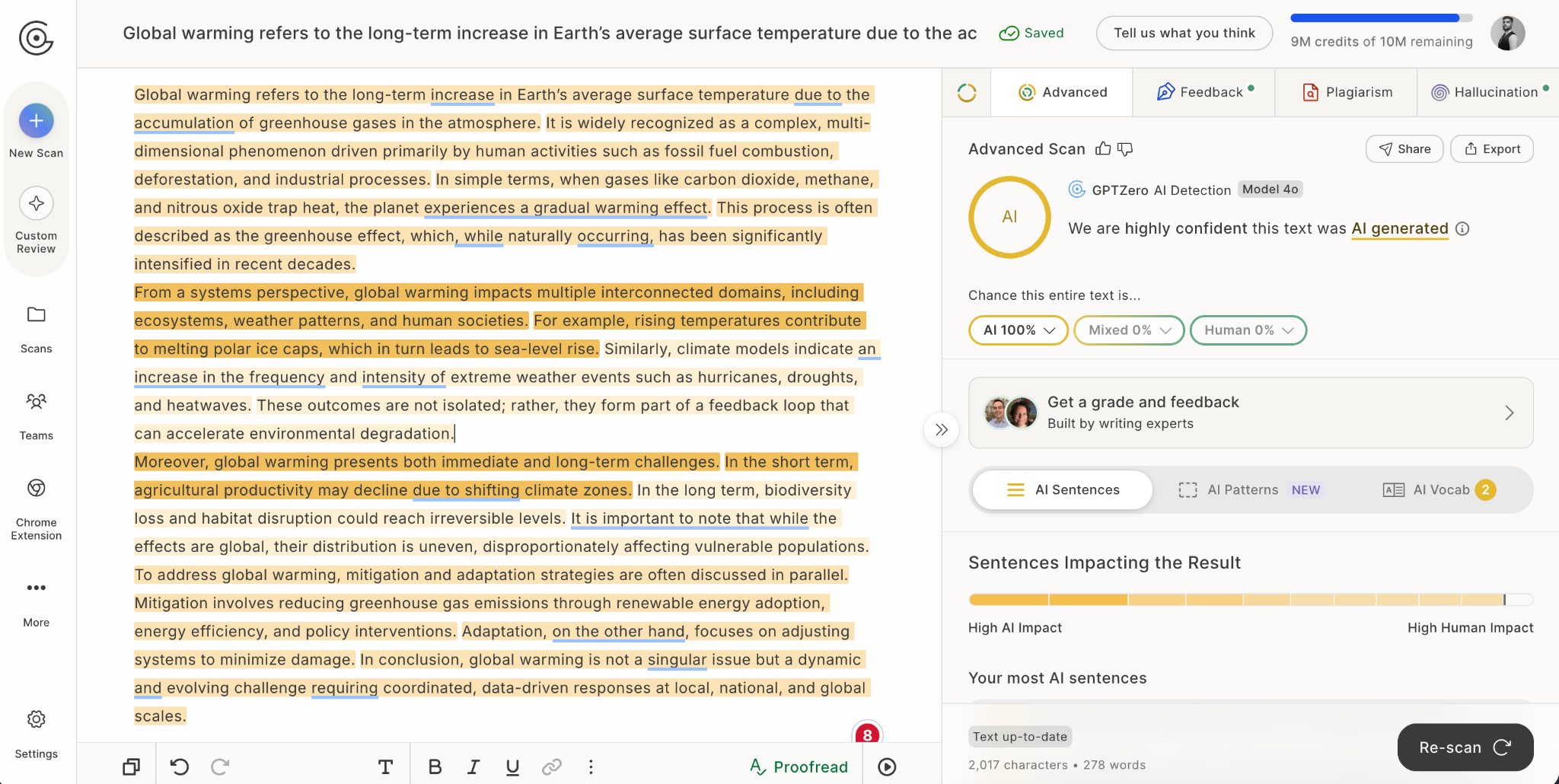
Then I checked the other ChatGPT sample 2 (300-400 words on global warming) using GPTZero to be sure if the original AI text is getting flagged as AI, and GPTZero scored this 100% AI too, as expected.
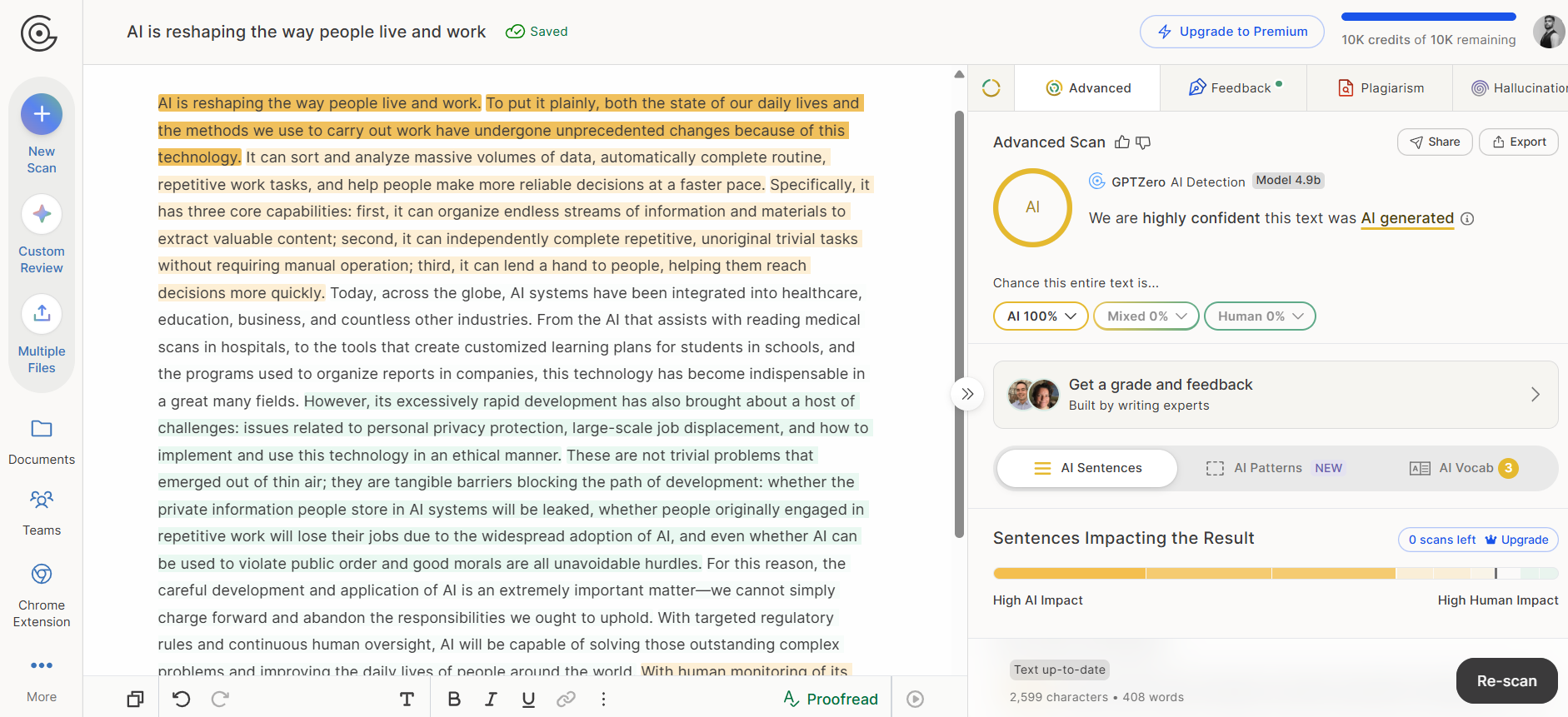
After that, I ran the humanized sample 1 through GPTZero, and its verdict didn’t change. The humanized version by Humbot also received a 100% AI score and the verdict that “we are highly confident this text was AI-generated.”
When I ran the humanized sample 2 (one on global warming), GPTZero again correctly identified it as 100% AI-generated. Not only that, but GPTZero gave the verdict as “Possible AI Paraphrasing”, which means that GPTZero’s detector was highly confident that this text was originally AI-generated but rewritten by AI or a human.
This verdict is highly accurate, and no other detector detected the humanized text with this level of precision.
You can try GPTZero for free on your own text to see its accuracy.
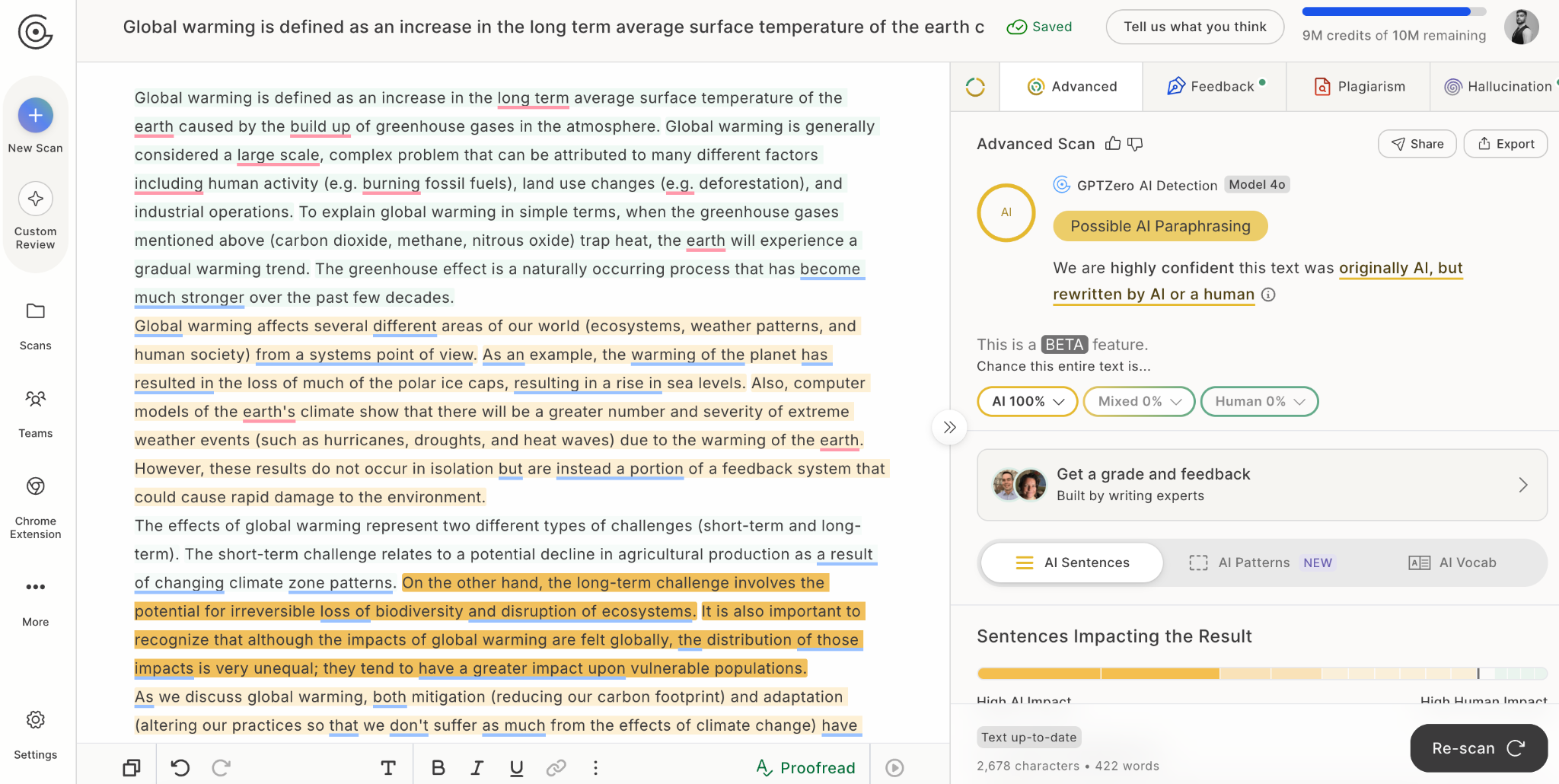
Verdict: Humbot AI humanizer cannot bypass GPTZero no matter if you use the free or paid plan of Humbot AI.
2. ZeroGPT
I recently reviewed ZeroGPT separately against a bunch of AI-generated and fully human samples.
In my testing, ZeroGPT wasn't consistently accurate against AI-generated text samples. At times, it was highly accurate, partially accurate, or completely wrong. It was particularly wrong on AI-generated text in narrative style.
ZeroGPT showed the same inconsistency here.
ChatGPT samples 1 and 2 were both flagged as 100% AI, as any AI detector should.
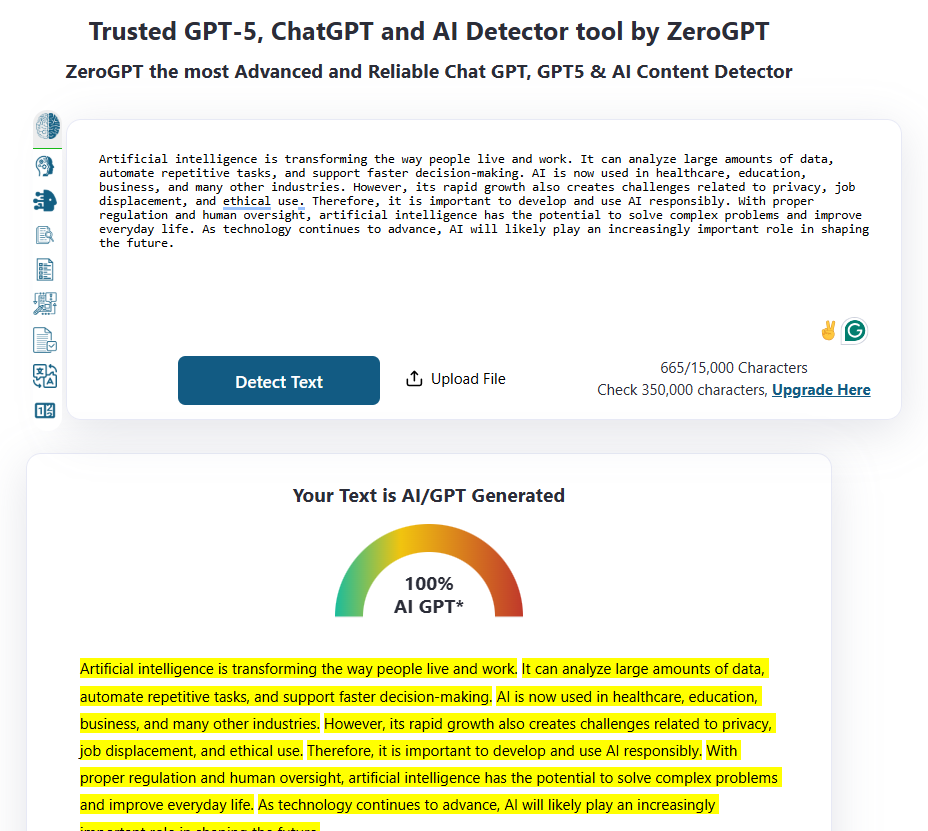
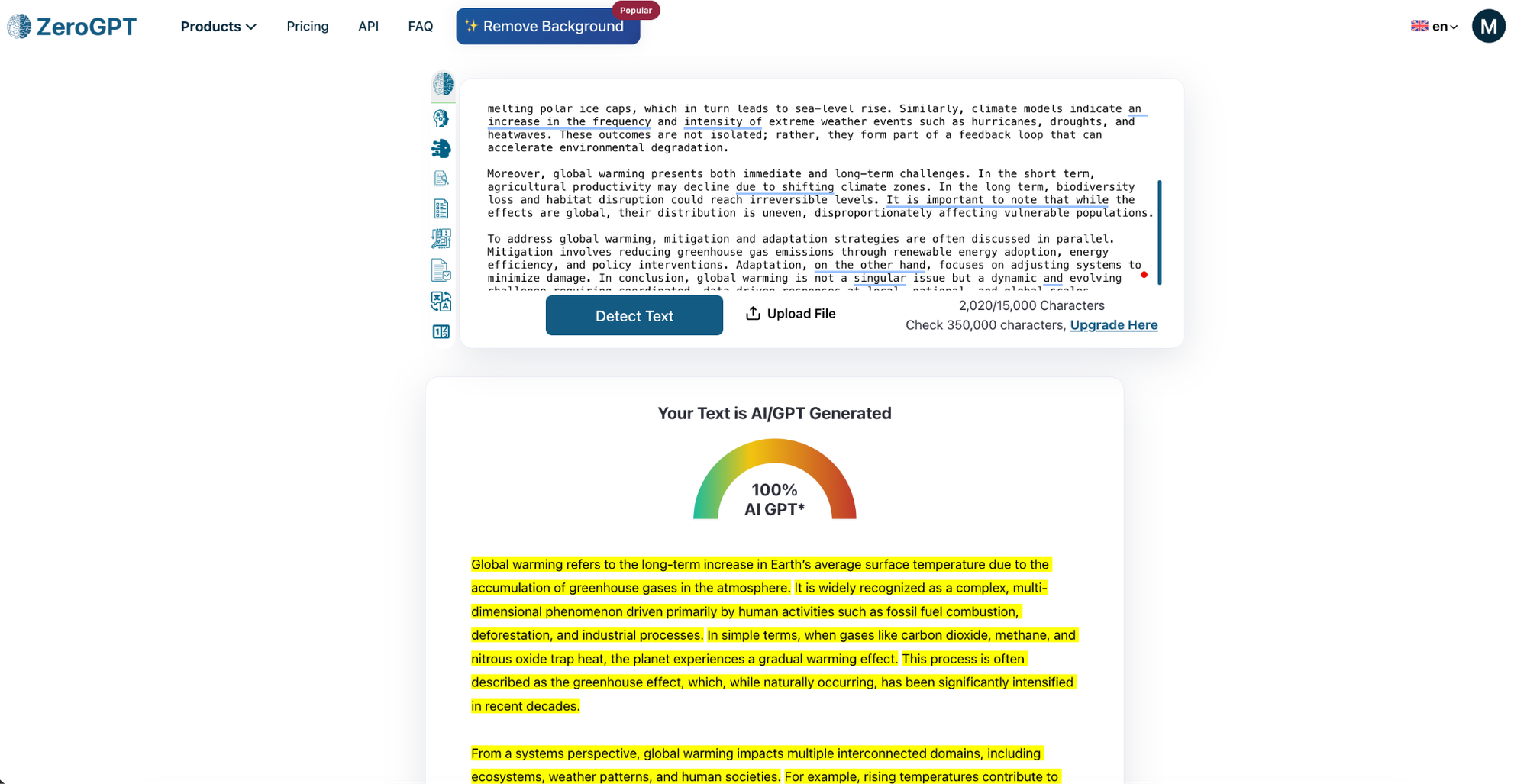
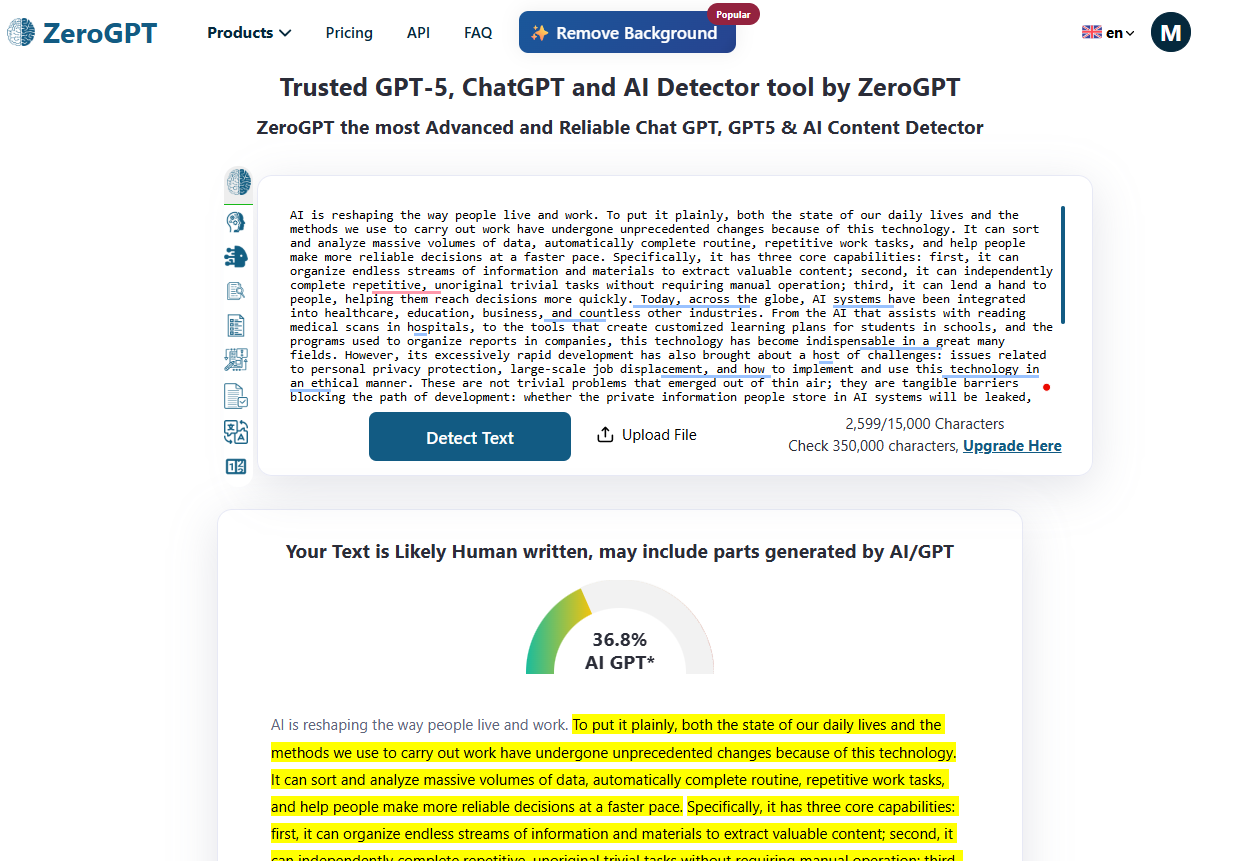
However, when I scanned the Humbot humanized sample 1 with ZeroGPT, the AI score dropped significantly. ZeroGPT found only 36.8% of the text to be AI.
The same was true for humanized sample 2. ZeroGPT gave it a 34.2% AI score.
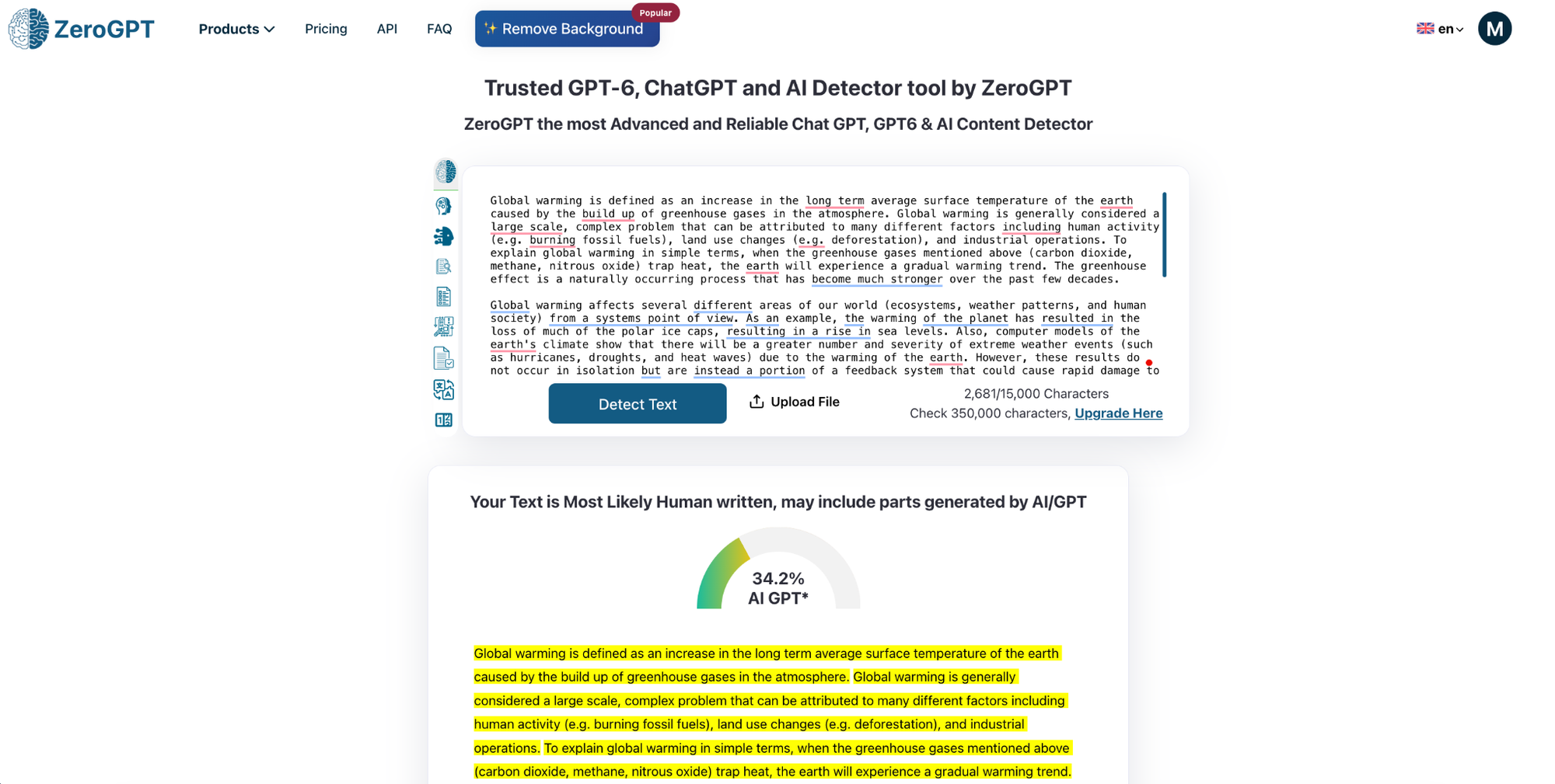
This means that in both the humanized samples, the majority of the text was declared human-written.
Verdict: Humbot AI humanizer bypassed ZeroGPT, as ZeroGPT could only detect <37% of the content as AI.
3. Originality AI
The Originality AI detector only works when it has 100 or more words to scan.
The ChatGPT sample 1 was only 97 words, so it wasn’t possible to scan it with Originality AI. So I added 3 more words to the original ChatGPT sample 1 so Originality could scan it, and the result was as I expected. Originality said that the text is likely AI with 100% confidence.
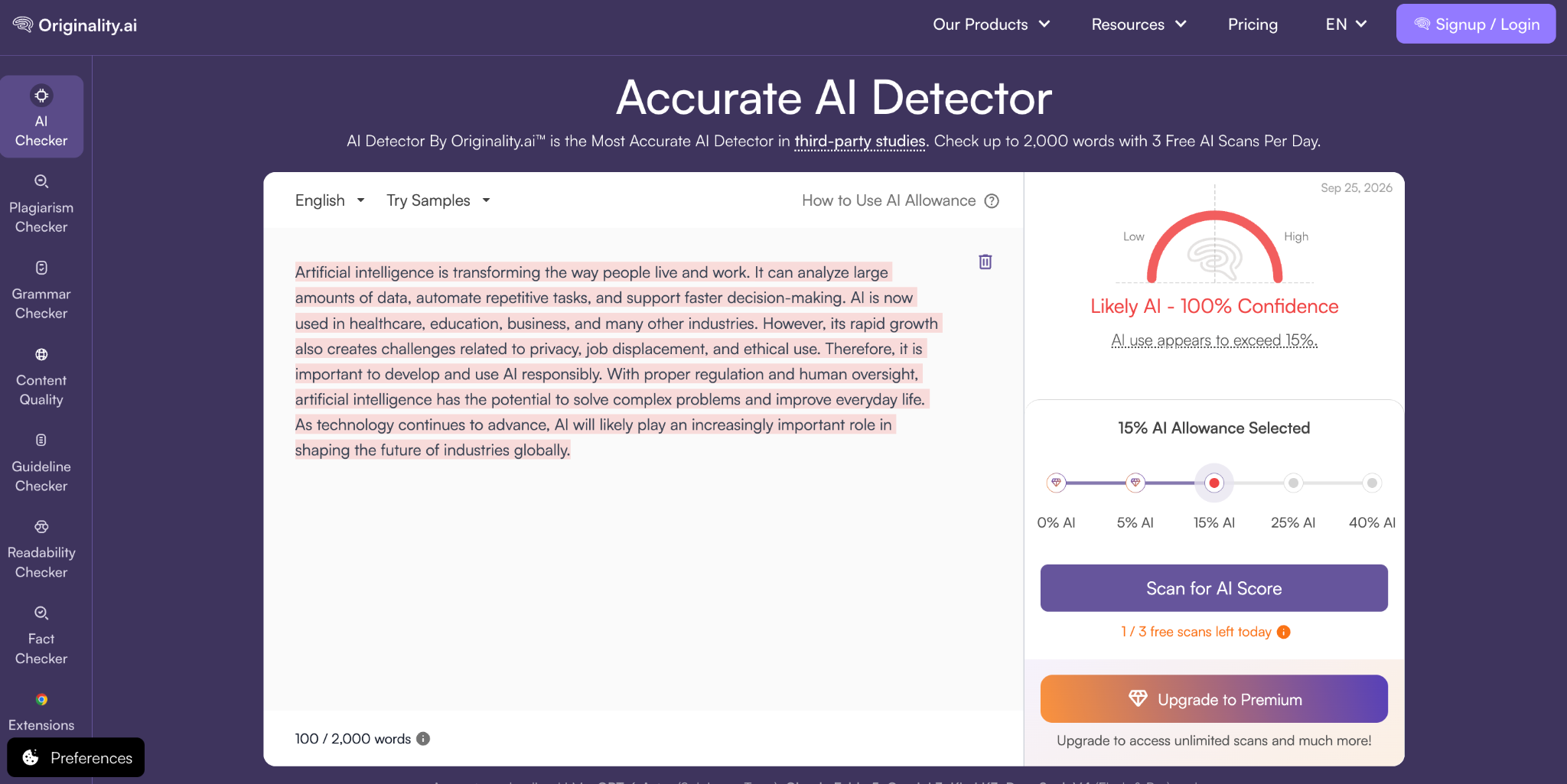
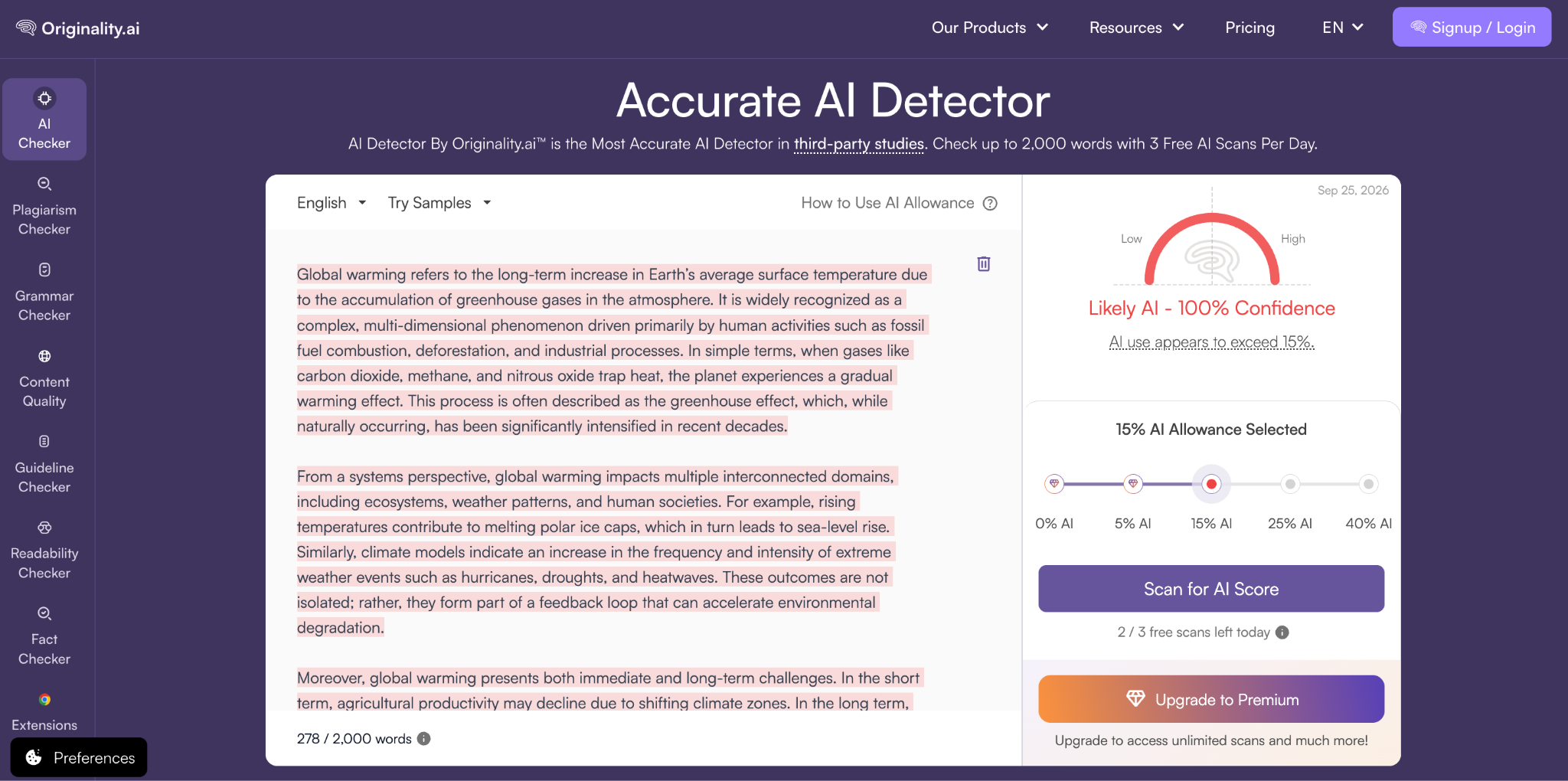
When I tested Originality against ChatGPT sample 2, which was over 300 words, Originality correctly detected ChatGPT sample 2 as 100% AI.
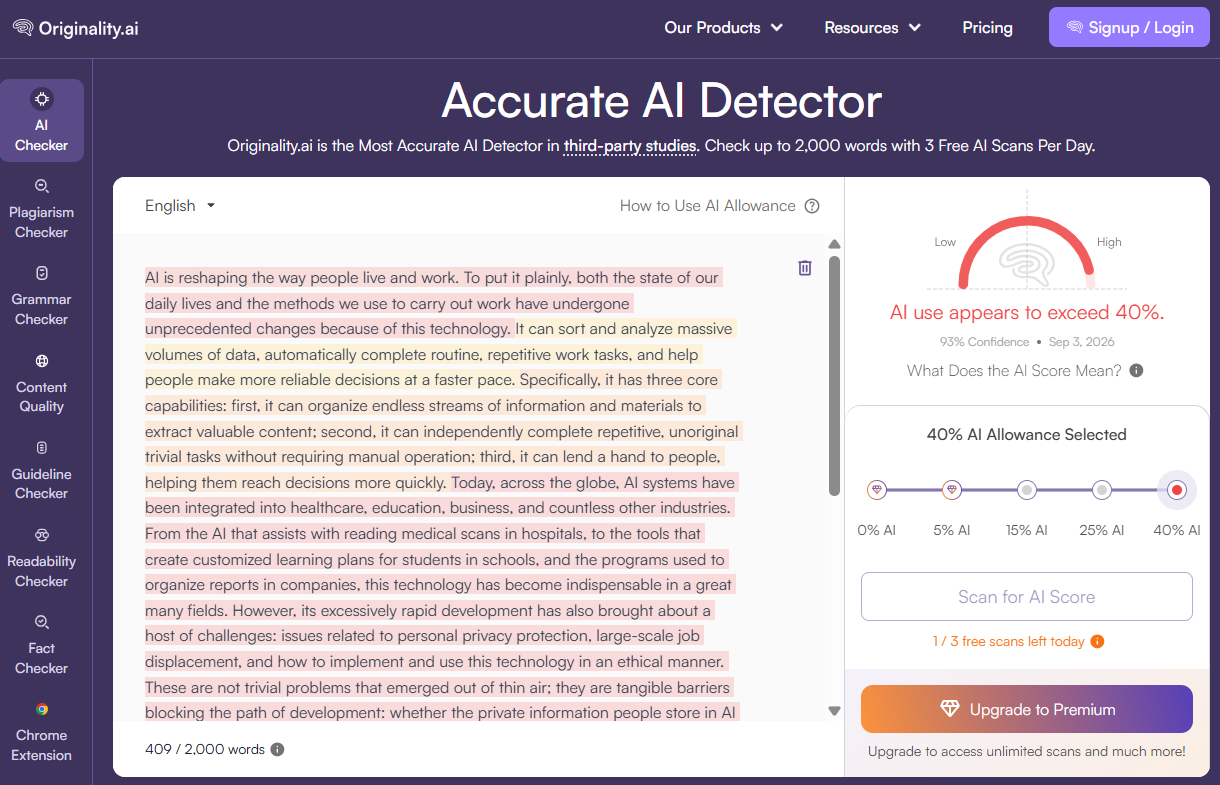
Then I scanned the humanized sample 1 with Originality AI, and it reported that the text is more than 40% AI. The actual AI percentage can be anywhere above 40%. We cannot know the actual AI score because the new Originality reporting style doesn’t reveal the exact percentage.
But things got interesting when I scanned the humanized sample 2 using Originality AI. Originality said the text is likely original, and AI use appears to be 15% or less. It’s safe to say that Originality AI was way off on the humanized sample 2.
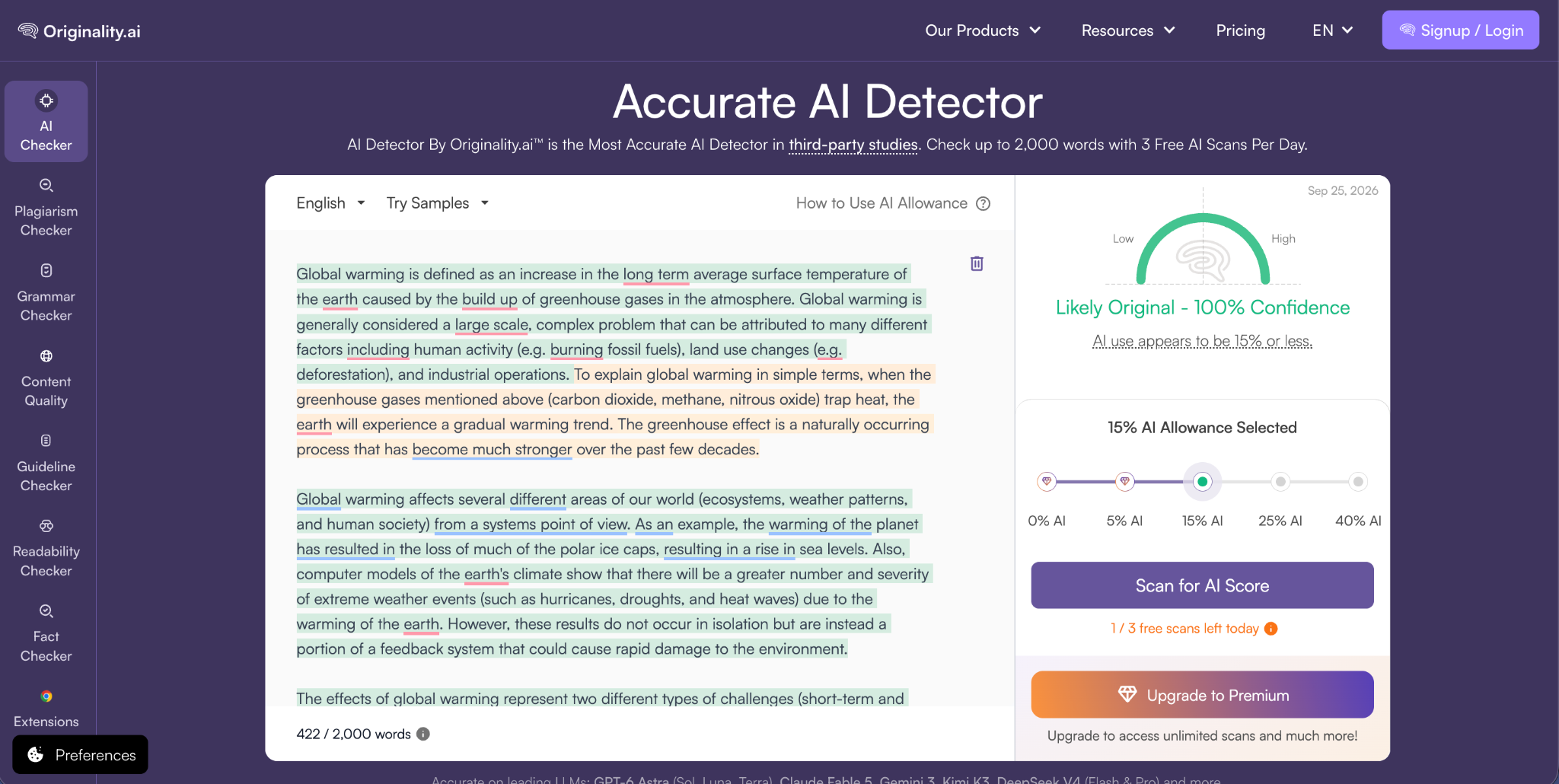
Verdict: Humbot AI humanizer bypassed Originality AI in one instance when a paid plan was used and couldn’t when I used the free plan.
4. Sapling AI
Humbot scans the humanized text on behalf of Sapling as well and reports a human-written verdict. But manually scanning the humanized text with Sapling says otherwise.
In general, the Sapling AI detector tends to perform accurately against both AI-generated and human samples. In my testing, its main weak spot was Claude-generated text, which I noted during my Sapling AI detector review. Since I used ChatGPT here, that isn't a factor.
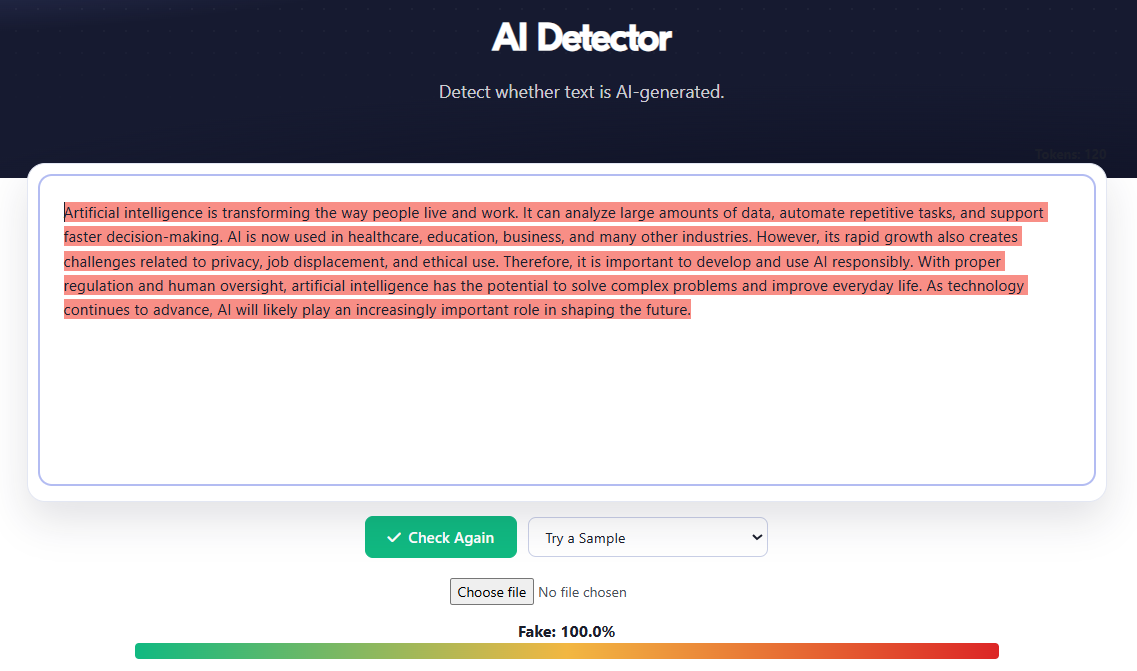
Here’s Sapling AI’s verdict on ChatGPT sample 1. It was scored as 100% fake, i.e., AI:
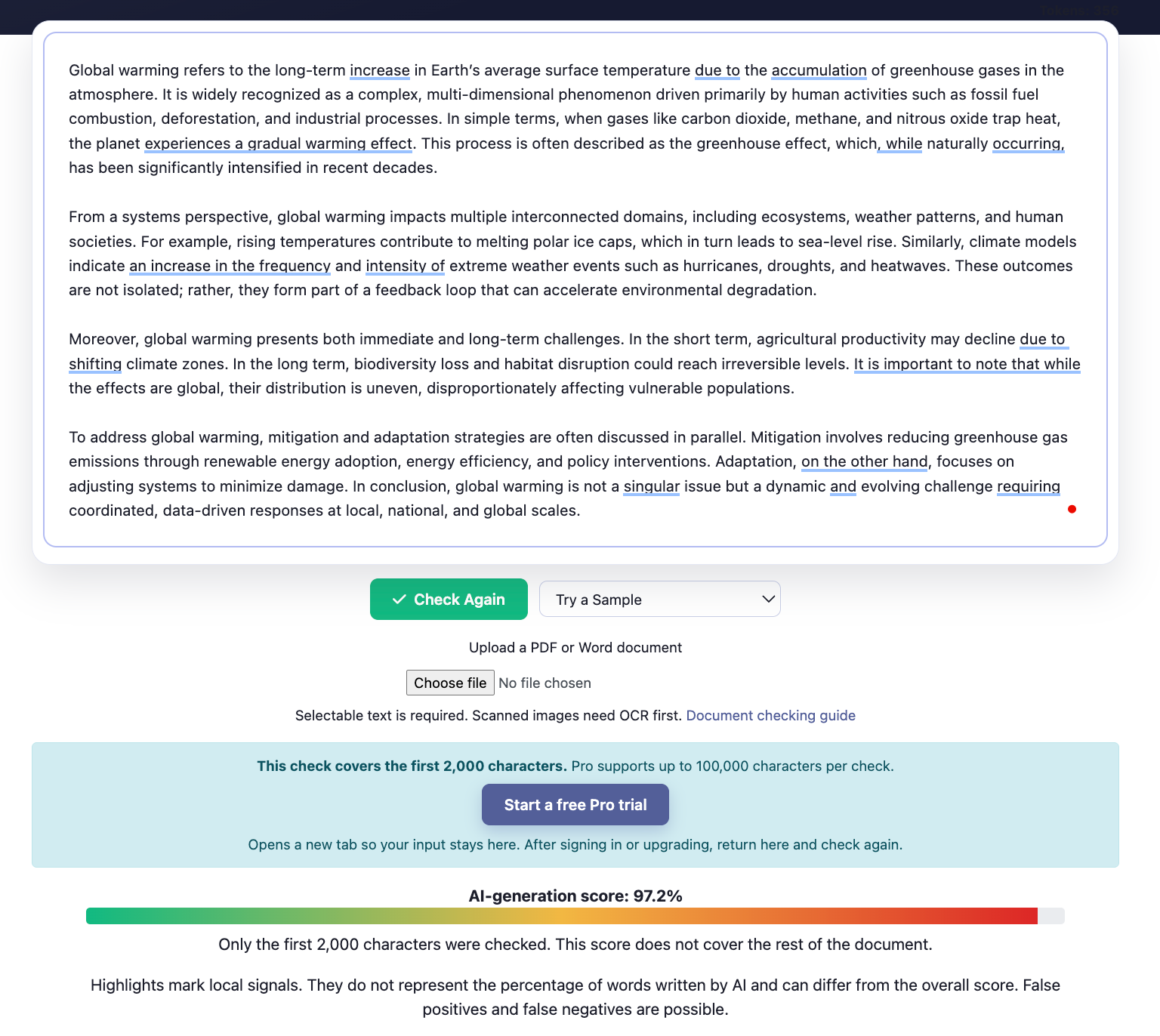
The result was similar when I scanned ChatGPT sample 2 using Sapling: 97.2% AI-generated.
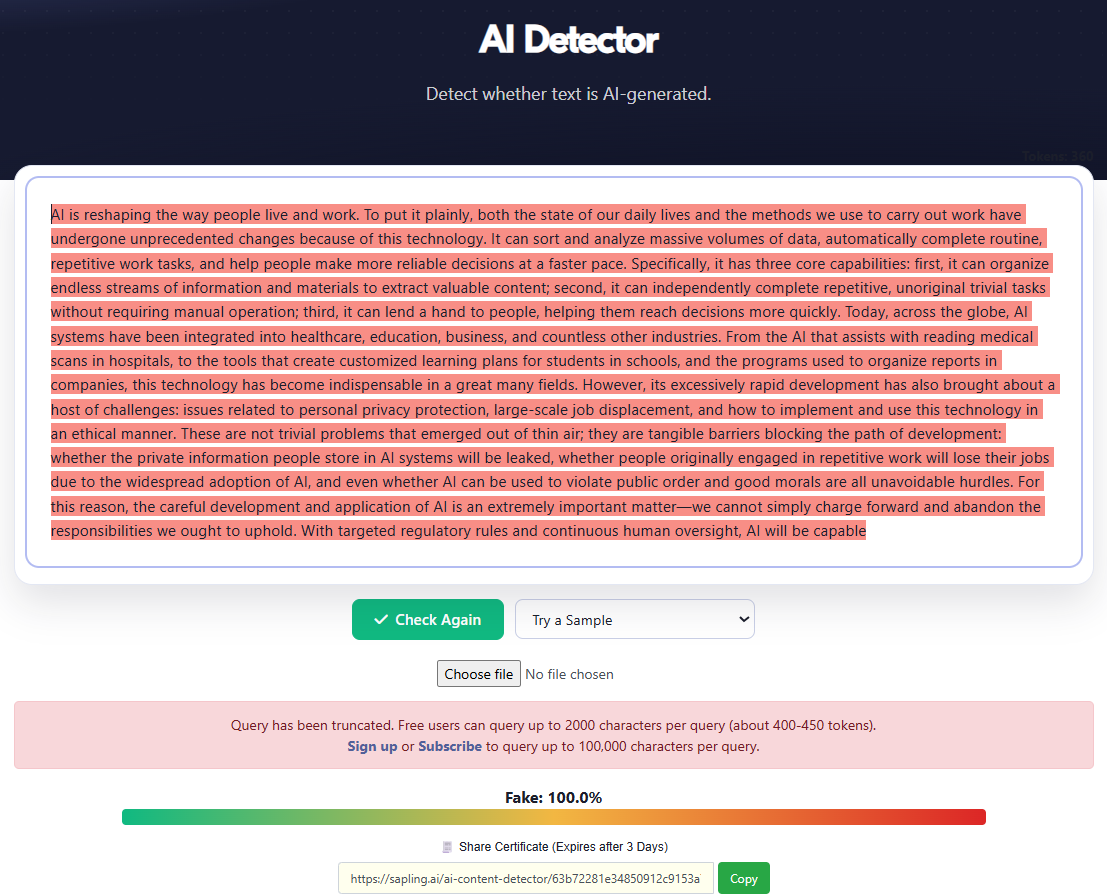
Scanning the Humbot humanized sample 1 also gave a 100% fake/AI verdict.
And when I scanned humanized sample 2 on the Sapling AI detector, it gave the humanized version a 90.1% score, which is quite accurate.
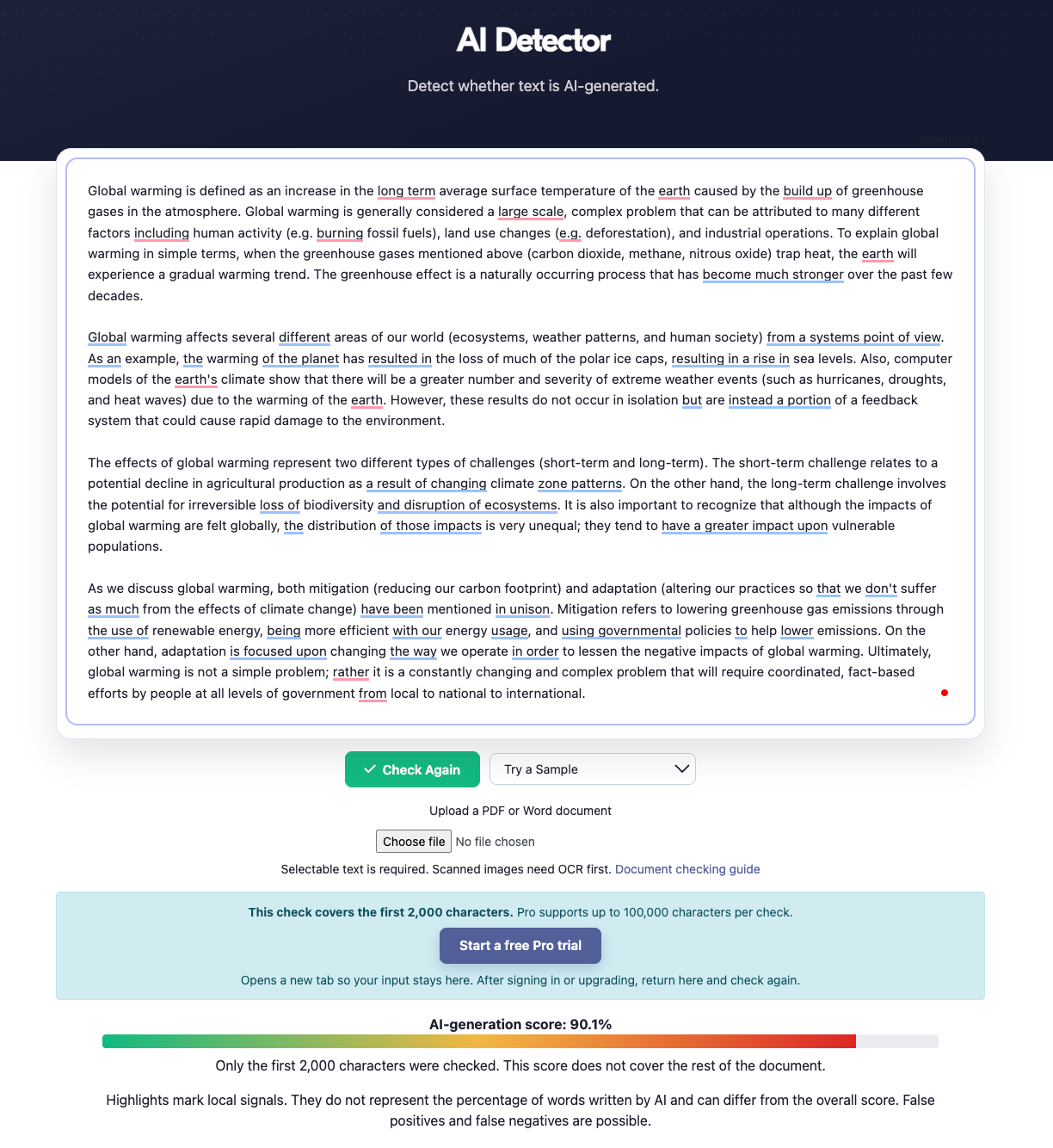
Verdict: Humbot AI cannot bypass the Sapling AI detector.
5. Copyleaks
Humbot AI claims that the humanized text bypasses the Copyleaks AI detector as well. But in my testing, 1 humanized version bypassed Copyleaks, while the other didn’t.
First, the original ChatGPT samples 1 and 2 get a 100% AI score on Copyleaks.
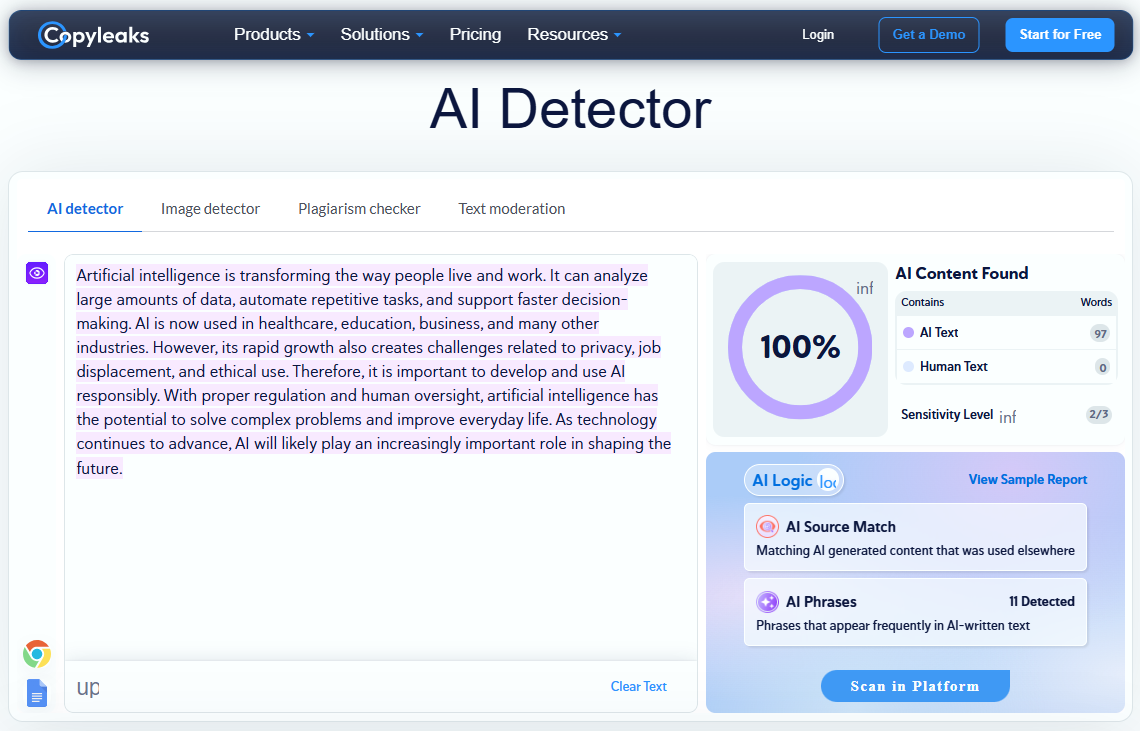
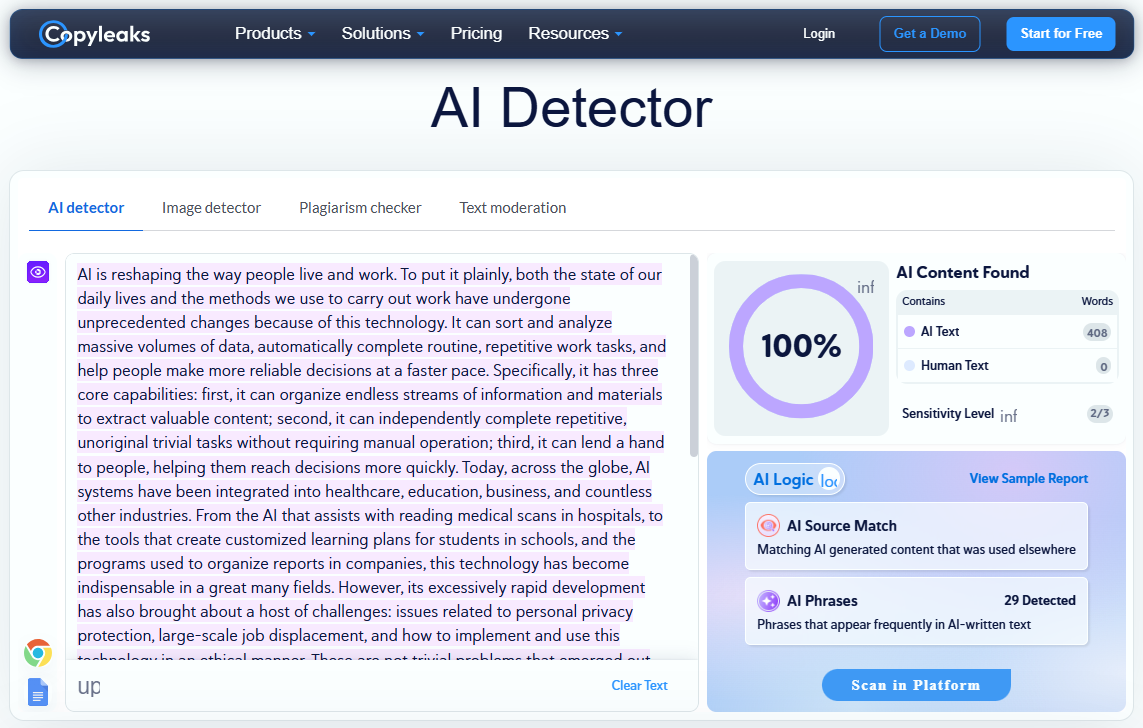
Here’s Copyleaks scoring the humanized sample 1 as 100% AI.
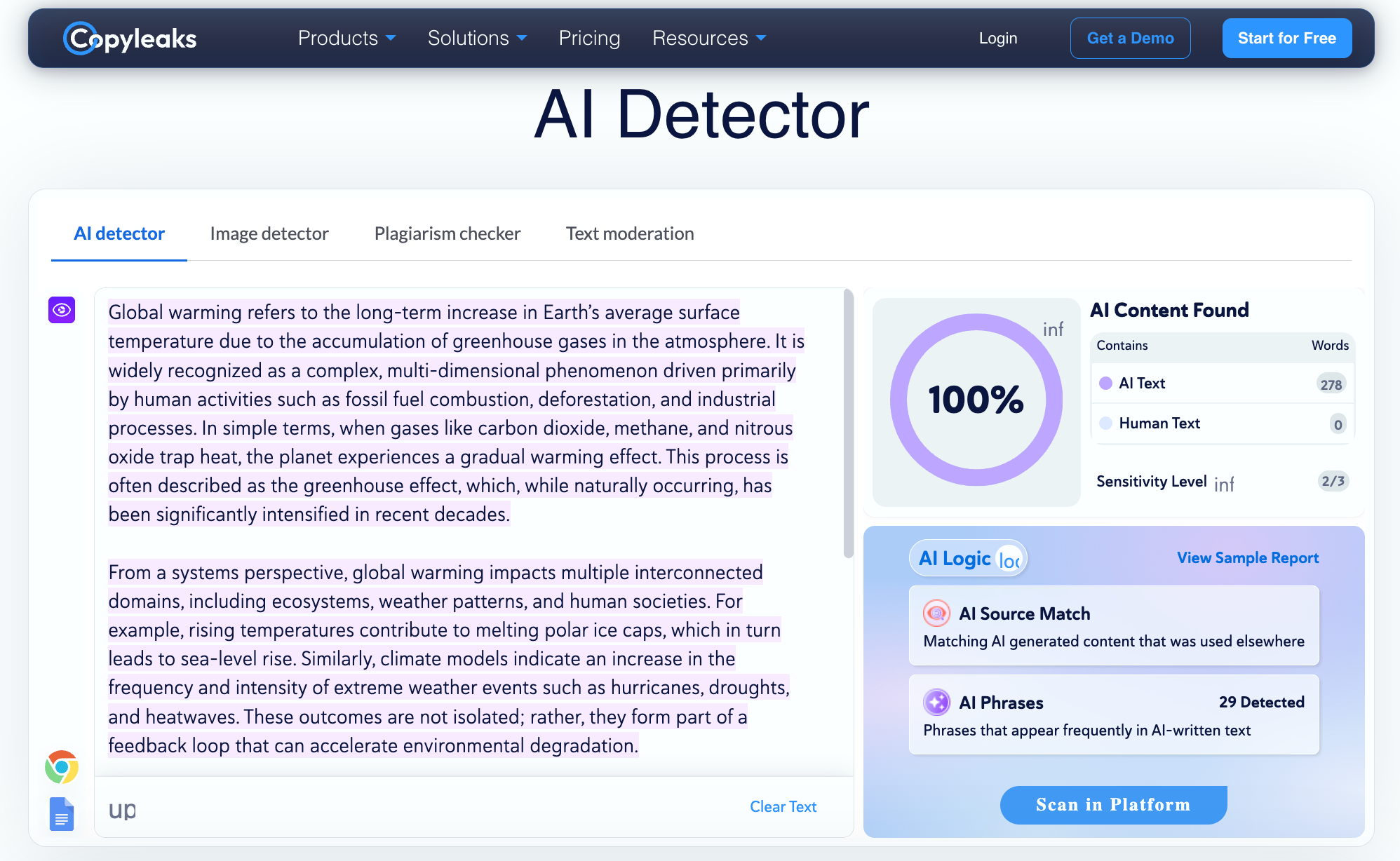
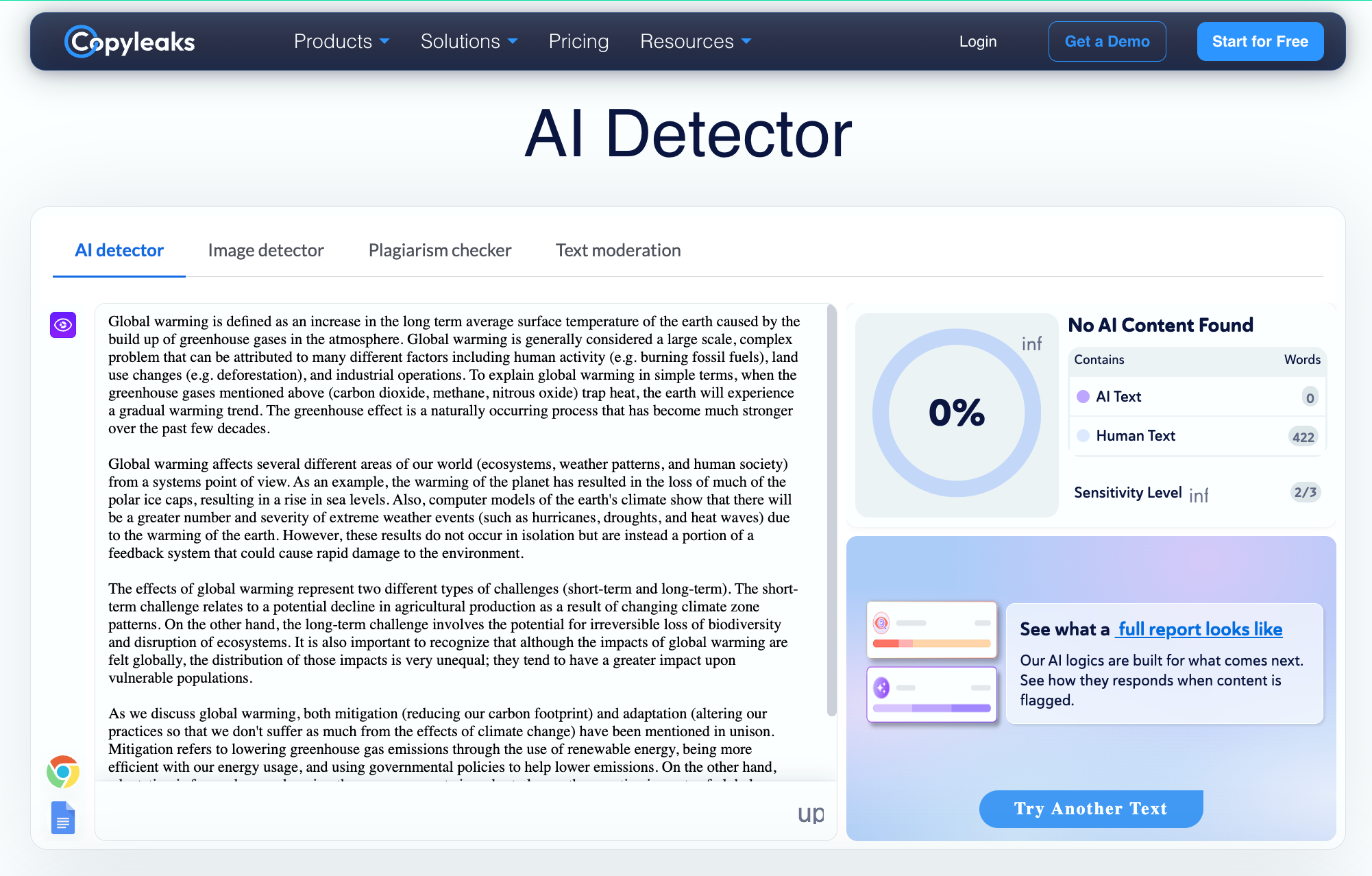
Here’s Copyleaks failing to detect the Humbot humanized sample 2 as AI, giving it an inaccurate 0% AI score.
Copyleaks and ZeroGPT performed similarly, but Copyleaks has a slight edge over ZeroGPT since it correctly identified one humanized sample as 100 AI. You can also read our detailed Copyleaks Vs ZeroGPT comparison to see how Copyleaks performs slightly better than ZeroGPT.
Verdict: Humbot AI bypassed Copyleaks in one instance (when the paid plan of Humbot was used) and couldn’t bypass Copyleaks in another (when the free plan of Humbot AI was used).
Humbot AI Pricing
If you want to test Humbot AI humanizer yourself, you can start with their free plan that allows 100 words per attempt. There’s also a limit on how many times you can humanize text for free.
Paid plans let you humanize longer texts, but as I mentioned earlier, the underlying humanizer model is the same, per Humbot’s claim. So one shouldn’t expect Humbot’s humanizer model to improve but I noticed that text generated on paid plans bypassed Originality, Copyleaks, and ZeroGPT.
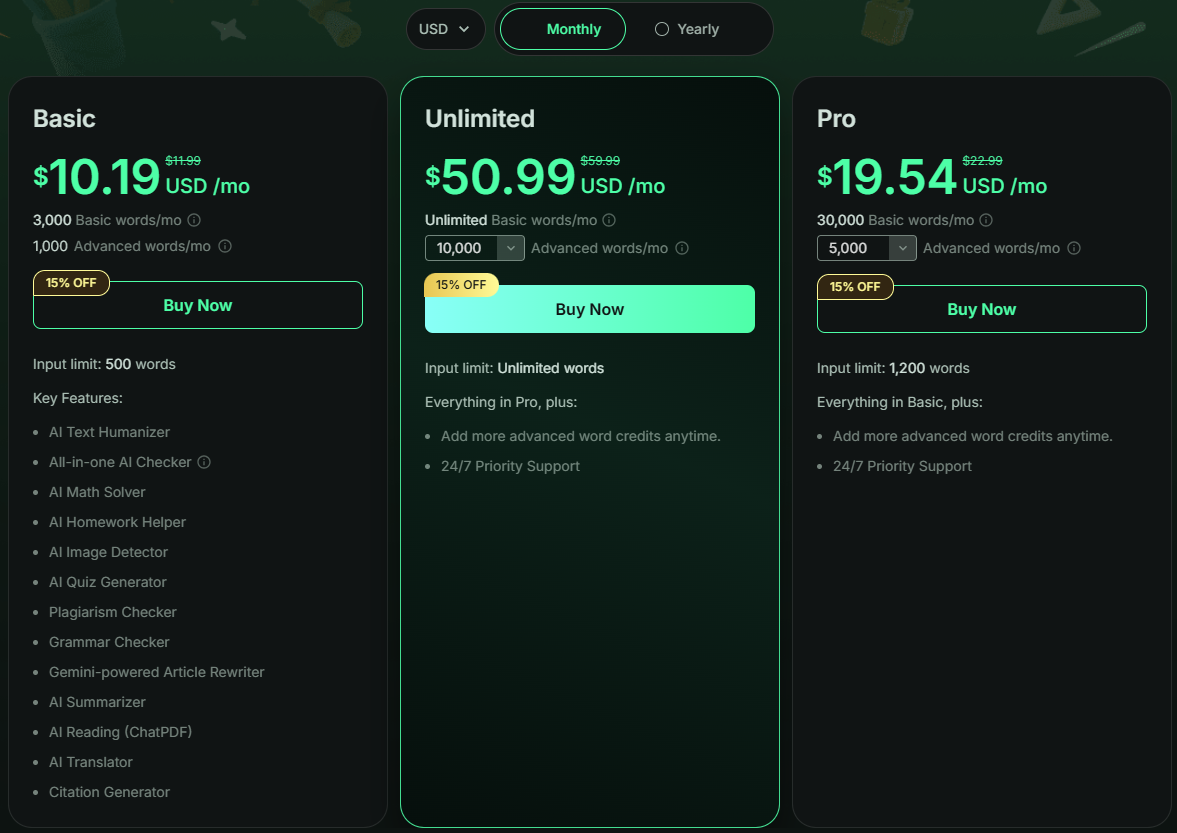
Here are the pricing details for the three paid plans:
Catch AI Humanizers With GPTZero
If a humanizer shows you “human” results from other detectors, avoid taking that as the truth without verifying first.
Most major AI detectors offer free plans that are enough for this verification.
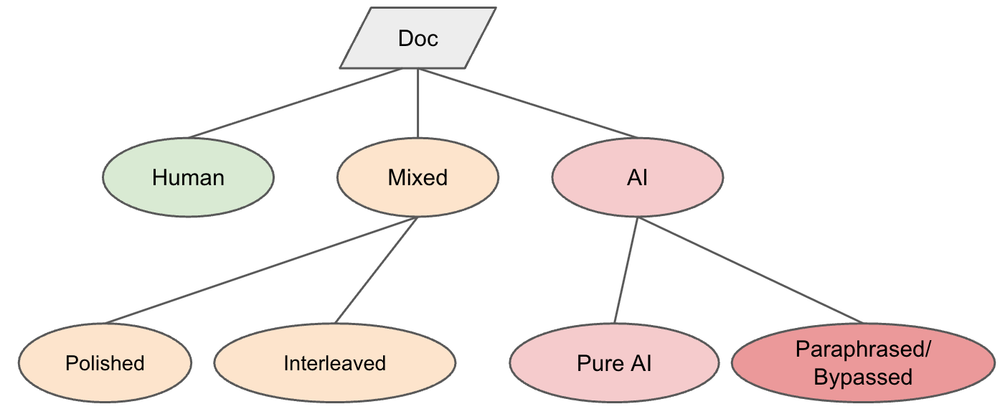
GPTZero is particularly strong at detecting AI text and AI humanizers, thanks to its high accuracy against AI-generated, human, and mixed text.
It has been trained separately against a range of paraphrasing and bypassing techniques, so many humanizers have no chance against it. This is the reason it can often tell when an originally AI-generated text has been paraphrased or humanized, in addition to identifying raw AI and human text.
If you don't use AI detectors heavily, GPTZero’s free plan with 10K words will be more than enough for you.