How to Write a Cover Letter That Lands the Interview
A cover letter is more than a formality - it’s your chance to show employers why you’re right for the job. Learn to write a compelling, tailored letter with a simple structure, practical tips, templates, and samples to help you stand out.

“Most people think a cover letter is about themselves. This isn’t true. A cover letter is a marketing tool.”
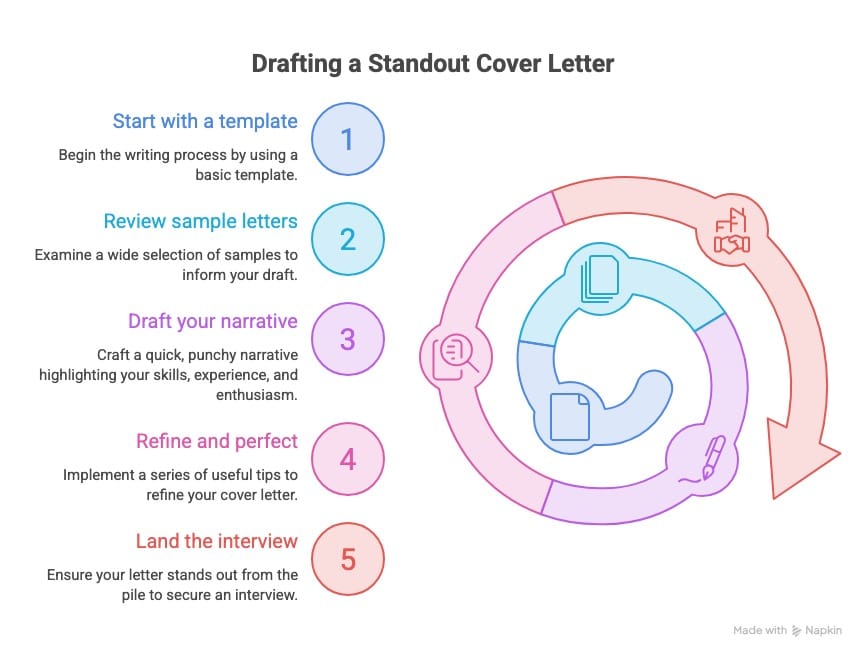
Rather than approaching a cover letter as a stuffy and superficial requirement to the job application process, recognize what a cover letter allows you to do: pitch yourself as the ideal person for the job. The goal of writing a cover letter is to craft a quick, punchy narrative that highlights the key reasons you will benefit the employer through your skills, experience, and enthusiasm.
This guide will review what a cover letter is, what it aims to do, and what components to include. Start with a basic template and review a wide selection of samples to draft your cover letter, then implement a series of useful tips to refine and perfect your cover letter so that it stands out from the pile and lands you that interview.
Key Takeaways
- A cover letter is a single-page letter in a job application that convincingly describes your aptitude and eagerness for the job.
- Unlike a resume, it showcases your writing and links your skills and experience to the job description and the company you’re applying to.
- Using a three-paragraph structure, a cover letter establishes the purpose of the letter, makes a concise case for why you’re the ideal candidate, and closes with a personable reiteration of interest in the position.
- Research the job so you can write a genuine and informed letter that gives a positive and polished first impression.
What is a Cover Letter?
A cover letter is a single-page letter that is frequently included with your job application. It’s a piece of professional correspondence that asks an employer to think about your application and tells them a story about who you are. The letter provides a writing sample that showcases your ability to communicate and also conveys a little bit of your personality.
Purpose
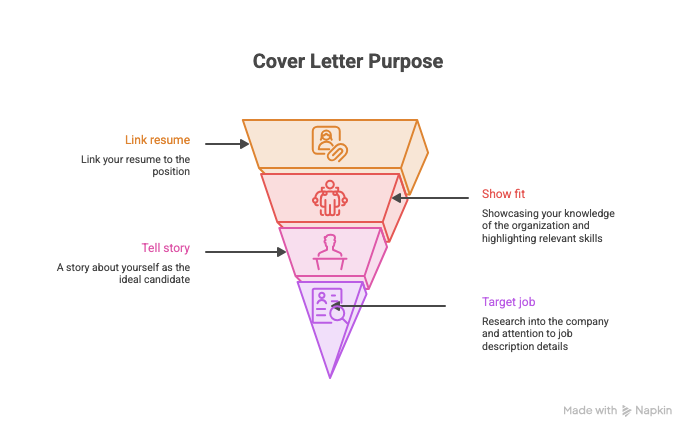
Cover letters are a tool of persuasion. They are meant to convince the reader (a hiring manager or employer) that you are worth bringing in for an interview. Cover letters “link your resume to the position, showcasing your knowledge of the organization and highlighting relevant skills.”
Think of this letter as a chance to tell a story about yourself that paints you as the ideal candidate for the job. It will be factual and authoritative because it references specific and concrete facts about your expertise and training, and it will be precisely targeted at the job in question because it will incorporate your research into the company and your attention to the details of the job description.
How are they different? Cover letter vs. resume
While a cover letter and a resume share certain features, understanding their differences can help you amplify the strengths of each document.
Similarities between a cover letter and resume:
- Provide relevant information about your skills, training, and experience
- Make a vital first impression in the hiring process
- Follow professional conventions like formal language
- Include your contact information
Differences between a cover letter and a resume:
Elements of a Cover Letter
Purdue University recommends a 3-paragraph structure:
Cover Letter Templates and Samples
Start with a simple, copy-paste template, like the ones offered by Word or Saint Catherine University’s fill-in-the-blank template.
The University of California, Davis offers a number of sample cover letters for a variety of majors, colleges, and degree levels.
For even more sample cover letters, take a look at Indeed’s hundreds of examples organized by profession.
Tips for Writing a Cover Letter That Stands Out
Research: Know the company you are applying to. Show that you have researched the company by referencing your fit with their goals and projects, and by addressing the letter to the person in the company who will be reading your letter. Read the company website. Investigate key roles through sites like LinkedIn. Talk to current or former employees. Take the opportunity to demonstrate your investment, enthusiasm, and basic research skills.
Hook: Consider using an attention-grabbing first sentence. It can help your cover letter stand out from others and make you more memorable to the person reading. However, the key is not to force it. Here’s a first sentence from a sample cover letter that’s unique, informative, and doesn’t try too hard: “After speaking with my friend, XXX, who recently graduated and now works at your company, I realized that the Investment Banking Summer Analyst position is truly a great fit for me.”
Tone: Be enthusiastic and personable. While maintaining professional standards and distance, a cover letter allows you to convey friendliness and personality. Remember to present yourself positively; for example, focus on the skills and experience you do have, and don’t mention training or expertise you lack.
Tailor: Fit the letter to the job. “Avoid sending the same cover letter to multiple roles; hiring teams can tell.” It isn’t hard to spot a cover letter that is only vaguely referencing the requirements of the position and demonstrates no connection to the company or job details. Be intentional and specific.
Authenticity: Avoid clichés. Lean into the step above; the more tailored your content is, the less it will dabble in vague, boring, and overused phrases. “X makes me an outstanding candidate” is much less convincing than, “X taught me practical skills I can apply to Y project your company is undertaking.”
Polish: Proofread carefully. When you’re being judged on one page of writing, every typo or inconsistency is a red flag. Run your letter through a grammar checker and be meticulous about editing and adjusting your word choice and phrasing.
Try applying these tips to an AI-generated cover letter by Grammarly. Just upload your resume, fill out some basic details, and receive a draft that you can tweak, polish, and perfect.