What Teachers Told Us at NCTE: Key Takeaways From Denver
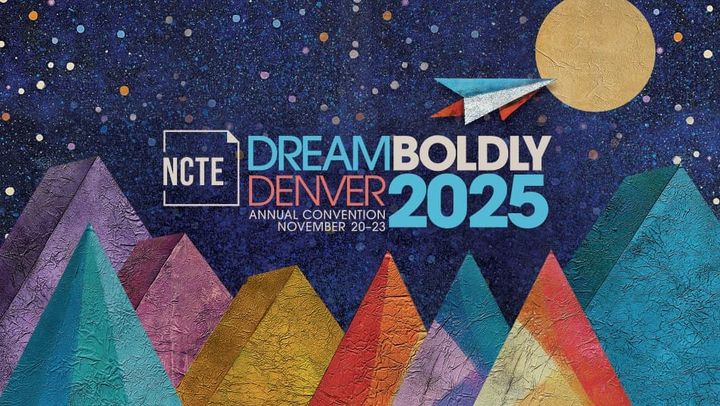
Our Community Lead Mana Setayesh was at the NCTE Convention in Denver this year, and shares some of her main takeaways.
·
2 min read
Our Community Lead Mana Setayesh was at the NCTE Convention in Denver this year, and shares some of her main takeaways.
If you’ve been flagged for AI cheating, even though you wrote everything yourself, this guide shows how to respond by gathering the right evidence, as well as using GPTZero’s Writing Report to prove your authorship.
Unsure how to handle student AI use? Here’s how teachers are approaching it, with empathetic questioning and consistent processes.
Some universities have started sharing AI policy templates. We’ve seen how much educators value these shared frameworks, so here, we explore why AI policies matter and offer practical steps to building one at your university.
New AI tools are changing how students complete assignments and reshaping how they think, prompting the question: What does learning mean now?
Over 3,000 educators signed up, and 1,070 showed up live. This was the first event in our Teaching Responsibly with AI webinar series.
We’re building tools that aim to do something different: not to ‘catch students out’ using AI tools, but to create communication between teachers and students, rather than further divide them.
A “Swiss cheese” strategy for AI in education means combining layered, imperfect tools to protect learning and integrity.
Teachers are still figuring out AI, just like their students. But its potential for accessibility is huge. AI can help create more inclusive learning environments, offering better support for students with specific needs.
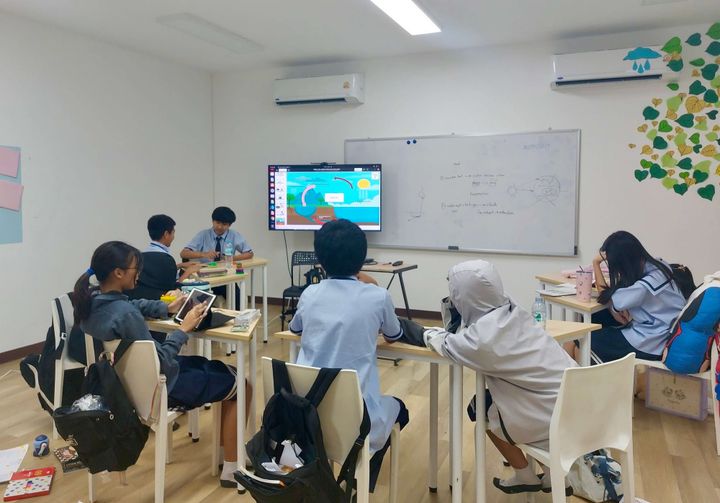
We look at how AI tools are currently being used in schools by both students and teachers, and look at what this could mean for academic integrity and educational ethics.